Category: Podcast Episodes
-
Podcast Episode: Humble Aubergine and The Sweet Chutney Ending: Bengali Style Dining
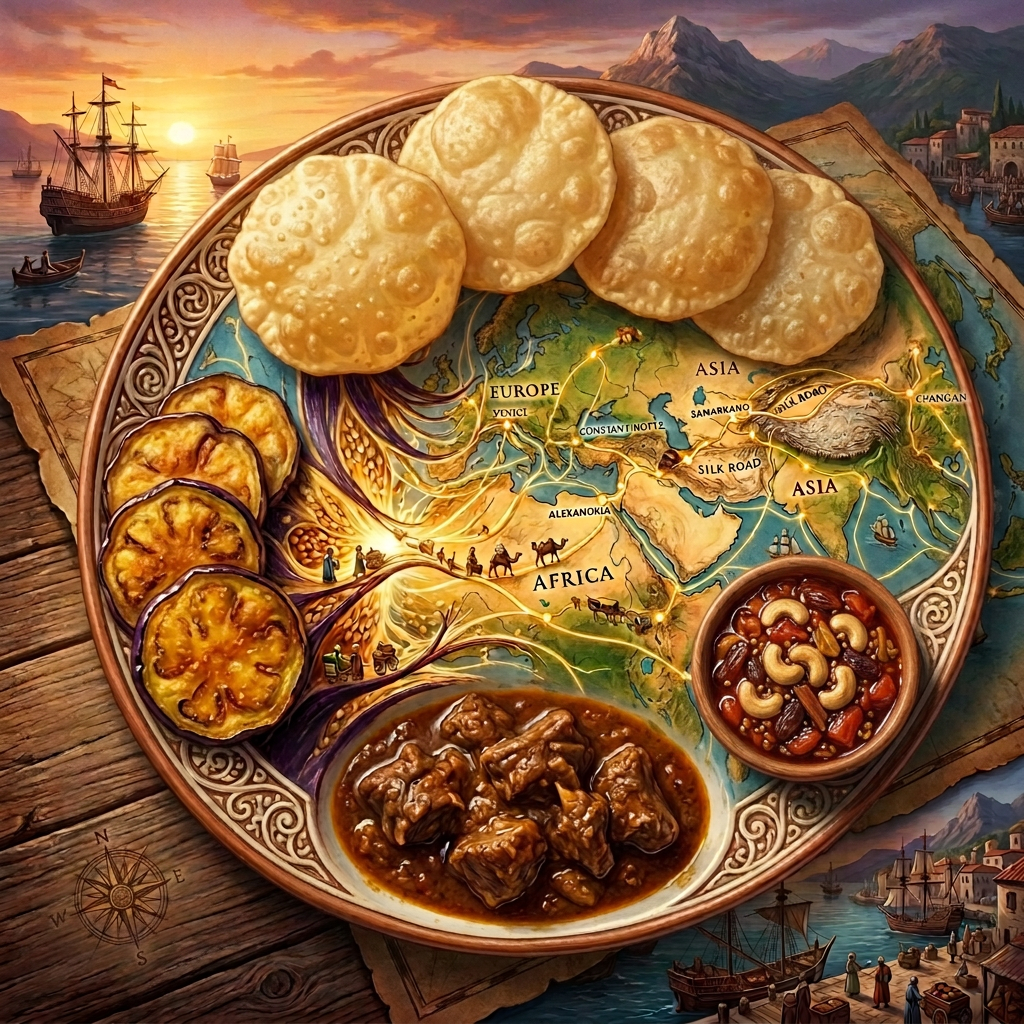
The content highlights a Bengali family dinner where food serves as a medium for discussing history. Through dishes like chutney and brinjal, the mother elaborates on their origins, showcasing how ingredients travel across cultures and time. Ultimately, the dinner table becomes a space where culinary history is preserved and explored.
-
Podcast Episode: Art Form: Kathputli (Rajasthani String Puppets)

The episode explores Rajasthan’s Kathputli puppet art and its rich storytelling tradition, focusing on the Bhat community as custodians of this art form. Through a casual conversation between friends, it highlights how Kathputli performances convey cultural history, moral lessons, and the importance of engaging with Indian heritage.
-
Podcast Episode: Confection: Sohan Halwa

The conversation explores the significance of Sohan Halwa, a sweet rooted in Mughal culinary history and named after its creator, Chef Sohan. As the recipe has evolved across regions, it embodies cultural heritage and celebration. Ultimately, it showcases how food weaves connections between past and present, enriching the tapestry of tradition.
-
Podcast Episode: Step into Tradition: The Timeless Craft of Camel Leather Shoes in India

The post discusses the significance of camel leather shoes as a vital aspect of India’s cultural heritage, particularly through the lens of a casual conversation between friends. It highlights the practical craftsmanship and durability of these shoes, exemplified by the jutti, while noting contemporary designers’ efforts to preserve this living tradition.
-
Podcast Episode: Tea Tales: Sipping Stories

In this episode of “Tea Tales,” friends Megh and Vani transform a casual shopping trip into an exploration of tea’s rich history and cultural significance. From ancient China to global rituals, they discuss various tea traditions, highlighting the connections between hospitality and tea. The narrative culminates in the kindness of a stall owner, underscoring tea’s…
-
Podcast Episode: Colonial Culinary Journey: The Timeless Tale of Chicken Dak Bungalow

The post explores the historical significance of the dish Chicken Dak Bungalow, tracing its origins from colonial India and its evolution to a global menu item. It highlights how food can serve as a historical document, reflecting cultural exchanges and personal memories, while raising questions about the untapped stories in everyday recipes.
-
Podcast Episode: The Bauls of Bengal: Musical Nomads of Spiritual Wisdom

The post explores the Baul music tradition of Bengal, highlighting its timeless philosophy and cultural significance. It examines how this centuries-old folk tradition, emphasising love and spiritual truth, persists through cross-cultural collaboration and modern influences, as seen in the work of artists like Purnadas, Paban Das, and Parvathy Baul.
-
Podcast Episode: From Tibet to Taste Buds: The Momos’ Journey in India

The narrative follows the journey of momos, Tibetan dumplings, as they migrate across the Himalayas into Indian street food culture. Through conversations between friends, the story highlights the cultural significance, affordability, and adaptations of momos in various Indian cities, illustrating how food can represent tradition and connection across borders.
-
Podcast Episode: When Craftsmen Governed Themselves: The Forgotten Guilds of Ancient India
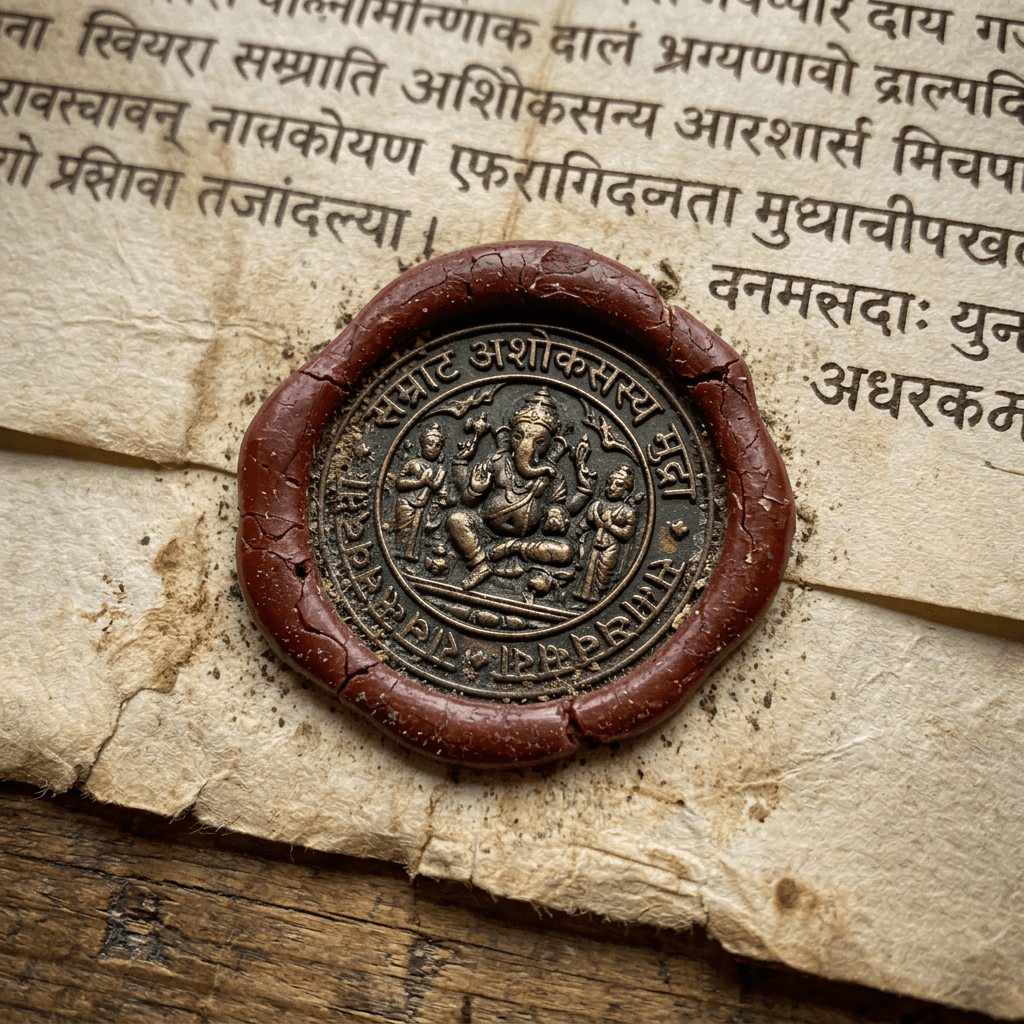
The Kathakar post explores ancient Indian guilds, known as Śreṇīs, highlighting a brass lamp’s engraved mark that symbolises communal trust and accountability. It illustrates how these guilds maintained quality standards, supported members, and transmitted knowledge across generations. Trust, rather than the product itself, emerges as the core element essential for societal development.
-
Podcast Episode: When Ancient Bengal Looked Out to the World: Tamralipta, the Forgotten Port

The post explores Tamralipta, a forgotten ancient port that connected Bengal to the world long before Kolkata existed. It facilitated substantial trade in textiles, spices, and ideas, showcasing how navigation relied on natural indicators. The port faded due to geographical changes, illustrating how history can be shaped by nature rather than conquest.

