Tag: india
-
Podcast Episode: Humble Aubergine and The Sweet Chutney Ending: Bengali Style Dining
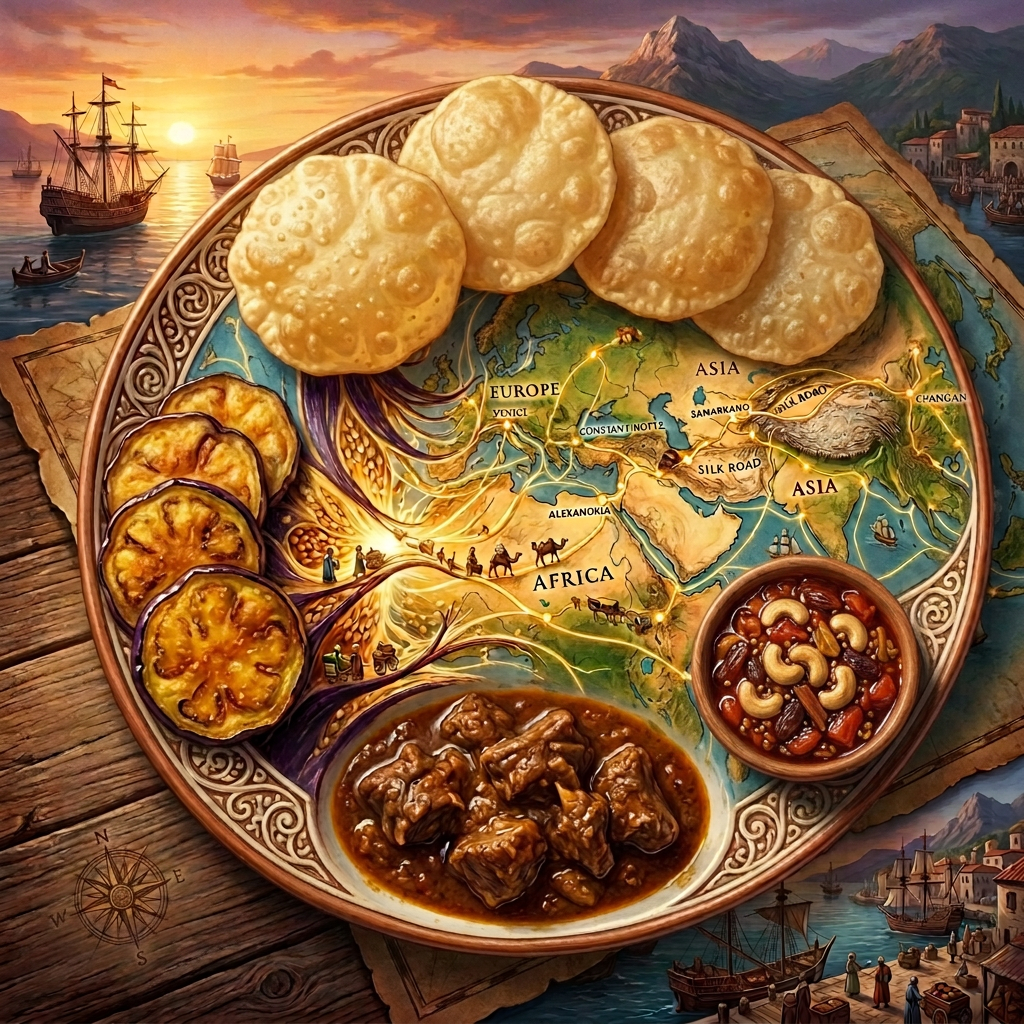
The content highlights a Bengali family dinner where food serves as a medium for discussing history. Through dishes like chutney and brinjal, the mother elaborates on their origins, showcasing how ingredients travel across cultures and time. Ultimately, the dinner table becomes a space where culinary history is preserved and explored.
-
Podcast Episode: Confection: Sohan Halwa

The conversation explores the significance of Sohan Halwa, a sweet rooted in Mughal culinary history and named after its creator, Chef Sohan. As the recipe has evolved across regions, it embodies cultural heritage and celebration. Ultimately, it showcases how food weaves connections between past and present, enriching the tapestry of tradition.
-
Podcast Episode: Step into Tradition: The Timeless Craft of Camel Leather Shoes in India

The post discusses the significance of camel leather shoes as a vital aspect of India’s cultural heritage, particularly through the lens of a casual conversation between friends. It highlights the practical craftsmanship and durability of these shoes, exemplified by the jutti, while noting contemporary designers’ efforts to preserve this living tradition.
-
Podcast Episode: Colonial Culinary Journey: The Timeless Tale of Chicken Dak Bungalow

The post explores the historical significance of the dish Chicken Dak Bungalow, tracing its origins from colonial India and its evolution to a global menu item. It highlights how food can serve as a historical document, reflecting cultural exchanges and personal memories, while raising questions about the untapped stories in everyday recipes.
-
Podcast Episode: When Ancient Bengal Looked Out to the World: Tamralipta, the Forgotten Port
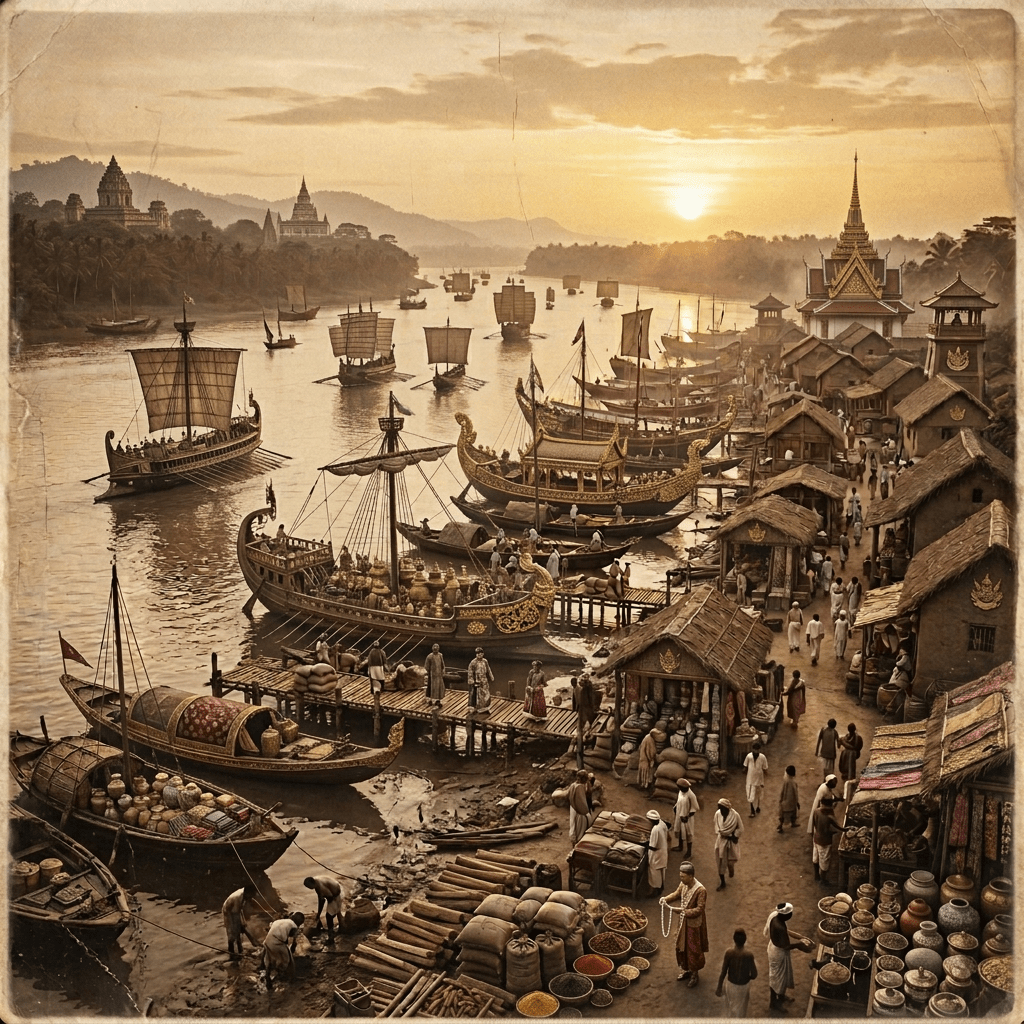
The post explores Tamralipta, a forgotten ancient port that connected Bengal to the world long before Kolkata existed. It facilitated substantial trade in textiles, spices, and ideas, showcasing how navigation relied on natural indicators. The port faded due to geographical changes, illustrating how history can be shaped by nature rather than conquest.

