
(Recap: Last time Vani and Megh met, their conversation had wandered through the fascinating world of ancient Indian guilds- Śreṇīs. By the time the evening ended, both had returned to their respective homes carrying more questions than answers. For Megh, the discussion refused to leave his mind. How had merchants travelled without modern ships? How had ideas crossed oceans? How had distant lands become connected long before maps and machines made travel easier? A week passed. It is a quiet Saturday afternoon. With a cup of tea beside him, Megh has settled into one of those lazy weekends where nothing in particular demanded attention. Just then, the doorbell rings.)
Megh: (opens the door) Who could that be at this hour? (with surprise) Vani! You?
Vani: (smiles) Yeah! Good afternoon, Megh! Sometimes the best stories don’t announce their arrival.
(Before Megh can say another word, his mother comes out from the kitchen.)
Mother: Hello, Vani! You’ve come after so many days. Come inside, dear. You two can continue your discussions later. First, sit down.
Vani: Thank you, Aunty!
(Vani walks into the living room while Megh closes the door behind her. Within a few minutes, the familiar aroma of freshly brewed ginger tea fills the house. Megh’s mother returns with a tray carrying two steaming cups of tea, a plate of freshly fried papad, and a bowl of puffed rice mixed with roasted peanuts.)
Mother: (smiles gently) Every good story deserves a good cup of tea.
(The three of them smile. As they settle down, Vani picks up a piece of papad and slowly looks around the room. For a few moments, neither she nor Megh says anything. The silence is comfortable. Finally, Vani places the papad back on the plate and turns towards Megh.)
Vani: Do you remember our last conversation?
Megh: Of course! The Śreṇīs. I never imagined ancient Indian guilds were so organised.
Vani nods gently.
Vani: Yes. We talk about the craftsmen, the merchants and the guilds that preserve skills and knowledge for generations. (pauses for a moment before continuing) But have you ever wondered where many of those merchants from eastern India actually begin their journeys?
Megh: (thinks for a few seconds) Kolkata, I suppose.
Vani: (smiles gently)That’s the answer most people give.
(She opens her bag and carefully unfolds an old map of eastern India on the centre table. Her finger slowly moves across the rivers before stopping near the coast.)
Vani: Long before Kolkata becomes a great port… long before European ships anchor on the Hooghly… there is another gateway to the sea.
Megh: (leans forward with curiosity) Which place?
Vani: Tamralipta.

Megh: (studies the map carefully) I’ve heard the name before… but I know almost nothing about it.
Vani: (smiles gently) Then today, let me tell you the story of a port that once connects Bengal with the world-a place from where merchants, monks, sailors, ideas and dreams sail across the Bay of Bengal.
(Outside, a gentle afternoon breeze rustles the leaves. Inside, over hot tea and crispy papad, another forgotten chapter of Indian history begins to unfold.)
Megh: Tamralipta sounds extraordinary. But what actually made it so special?
Vani: Let me ask you a question instead. When you think of an ancient Indian port, which one comes to mind?
Megh: Honestly… I can’t think of any.
Vani: (smiles gently) That’s exactly why Tamralipta deserves to be remembered. Long before Kolkata, Chennai or Mumbai existed, Tamralipta was already connecting eastern India with the world. It remained an important port for several centuries under different kingdoms. Few ports enjoy such a long history.
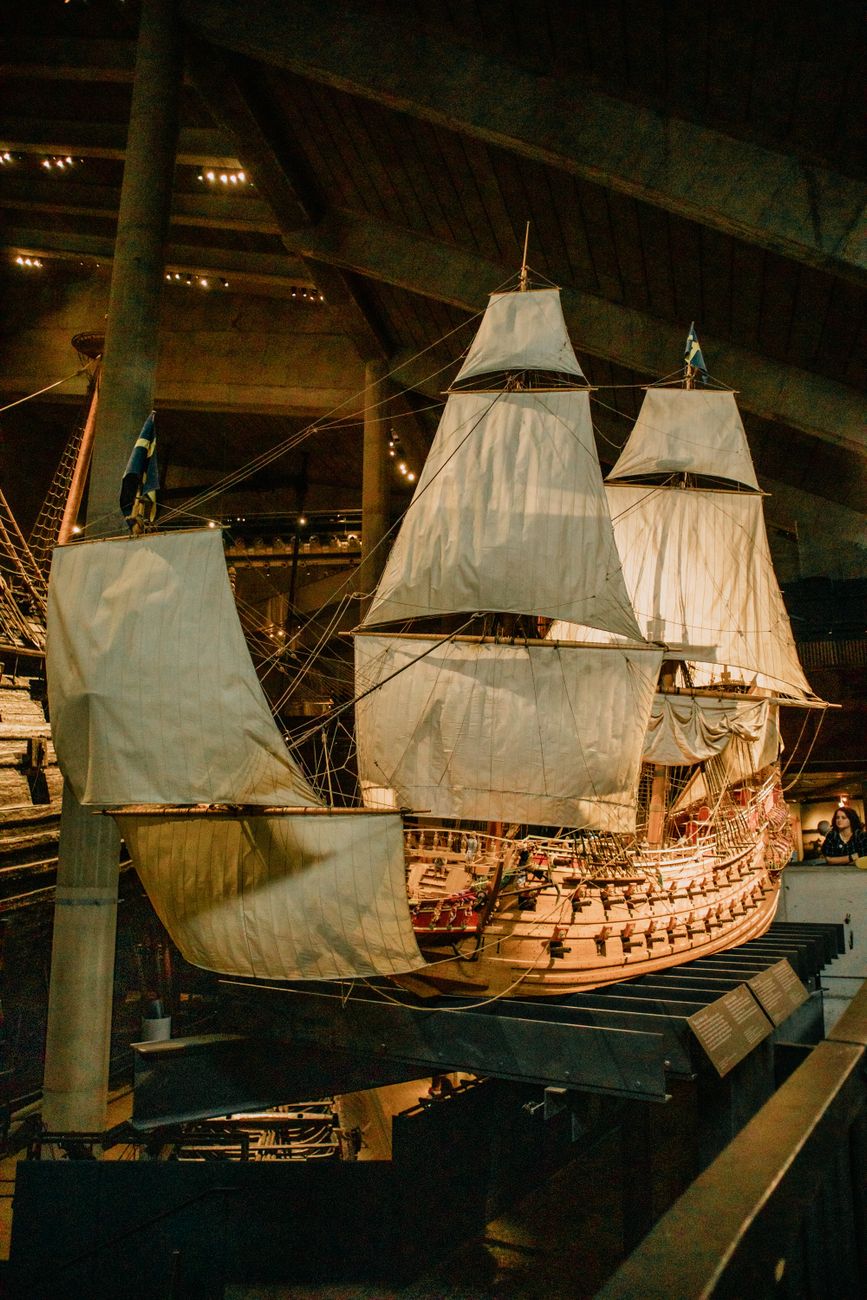
Megh: So what left this port?
Vani: Ships carried fine cotton textiles, silk, rice, spices, lac, ivory, beads, metalware and beautifully carved conch-shell products. In return came precious stones, metals, fine pottery and luxury goods from distant lands. Every arriving ship brought something unfamiliar, and every departing ship carried a piece of India.
Megh: But how did sailors find their way across such a vast sea without modern navigation?
Vani: They trusted the sky more than maps. During the day they observed the sun. At night they followed the stars. Just as importantly, they understood the rhythm of the monsoon winds. Missing the right season could delay a voyage for months.
Mother: So the wind decided their timetable?
Vani: Exactly, Aunty! Today airlines publish flight schedules. In ancient times, nature published the sailing schedule.
(All three laugh.)
Megh: That’s something I never thought about.
Vani: Here’s another interesting fact. The famous Chinese Buddhist monk Faxian reached Tamralipta around the fifth century CE. Historical accounts suggest that he stayed there for months, patiently waiting for a suitable ship and favourable winds before sailing to Sri Lanka.
Megh: Imagine waiting months just to begin a journey!
Vani: Travel demanded patience. And it wasn’t only merchants who passed through Tamralipta. Buddhist monks, scholars, pilgrims, diplomats and sailors all gathered here. The port wasn’t simply moving goods-it was moving ideas.
Mother: So Buddhism travelled by sea as well?
Vani: Very much so. A merchant’s ship might carry spices in one corner, textiles in another, and a monk carrying palm-leaf manuscripts somewhere on the same deck. Sometimes the lightest cargo changed history the most.
(For a moment, Megh quietly looks at the old map.)
Megh: I always imagined the Bay of Bengal as just a huge stretch of water.
Vani: Ancient merchants saw it differently. For them, the Bay of Bengal was a busy maritime highway connecting India with Sri Lanka, Myanmar and Southeast Asia. Long before the term “globalisation” was invented, these waters were already linking civilizations.
Megh: (nods thoughtfully) Then why did such an important port disappear?
Vani: Surprisingly, no great battle destroyed Tamralipta. No emperor ordered its closure. Over time, rivers changed their courses, silt accumulated near the harbour, and large ships found navigation increasingly difficult. Sometimes history is rewritten not by kings, but by rivers.
(The room falls silent.)
Mother: We often remember those who built kingdoms. Perhaps we should also remember those who built connections.
Vani: (smiles gently) That’s beautifully said, Aunty. Ports remind us that civilizations grow not only through power, but through exchange-of goods, knowledge, culture and trust.
(Megh finishes his tea and carefully folds the old map.)
Megh: Today I learnt that ancient Bengal didn’t stand at the edge of the world. It stood at one of its gateways.
Vani: And our next story is about someone who understood the value of those connections better than almost anyone else.
Megh: Who?
Vani: A banker whose name became so influential that emperors, nawabs and foreign trading companies all sought his support. His name was Jagat Seth.
(Megh smiles. Another forgotten story quietly waits for another weekend.)

