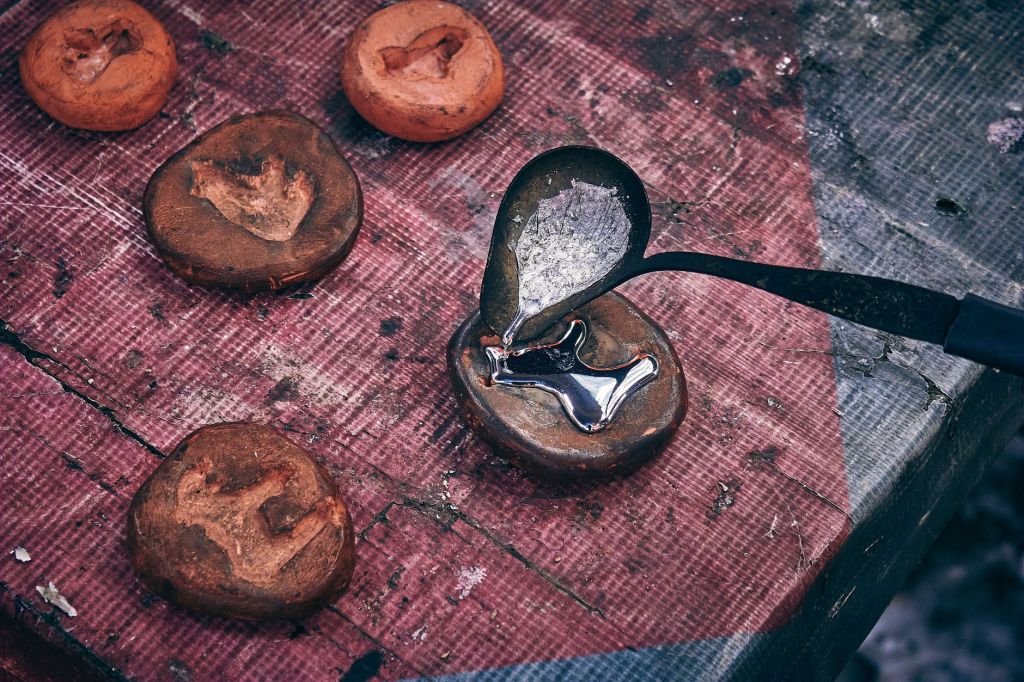
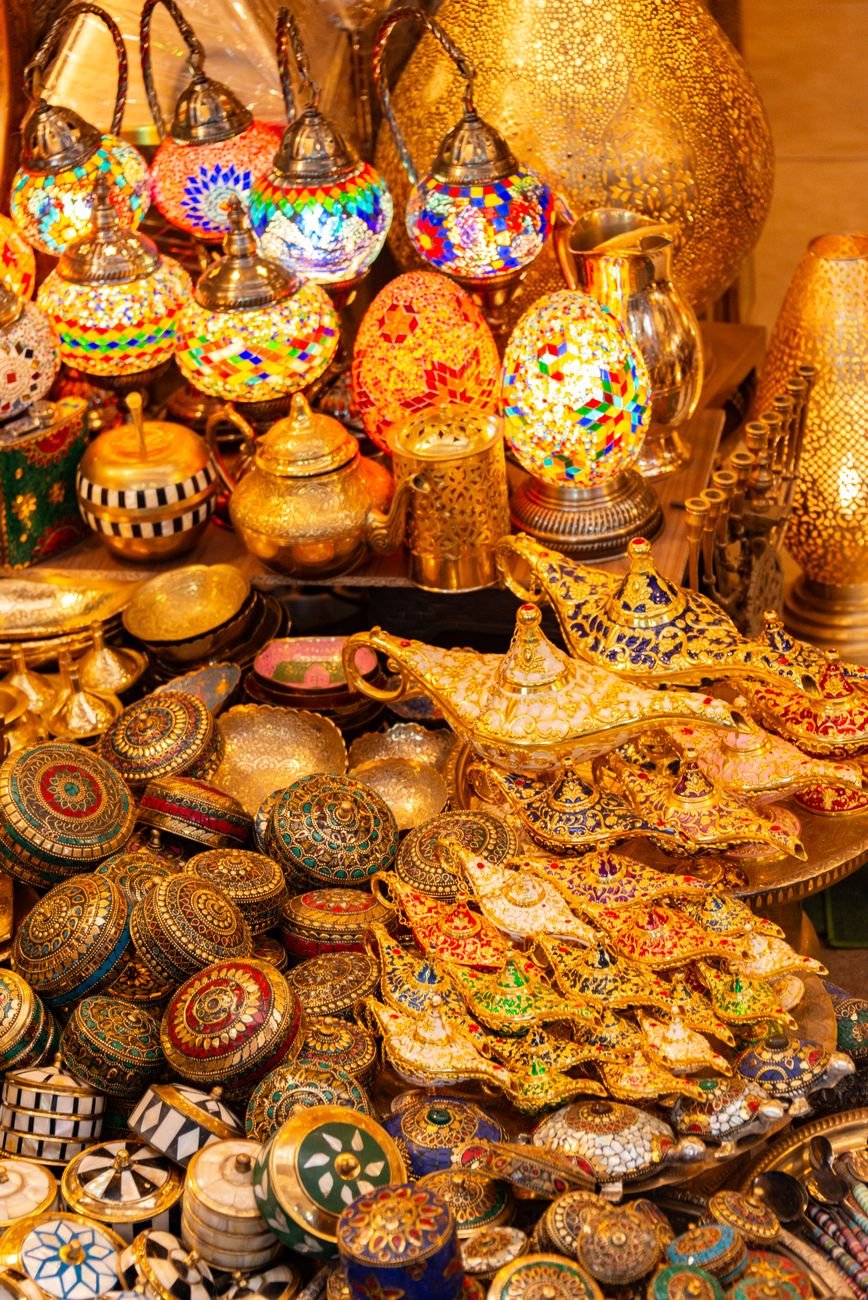
Recap: Megh & Vani are in the market, and both walk without any particular destination. A potter carefully arranges rows of freshly fired clay bowls. A blacksmith’s hammer strikes iron with a steady rhythm somewhere nearby. Vani pauses in front of a small brassware shop.Brass lamps, bells, incense holders, and tiny idols catch the fading sunlight. Every piece looks different, yet somehow they all seem to belong together.
Vani: (carefully picks up a small brass lamp) It’s beautiful…; (slowly turns it over) Hmm…!
Megh: (looks up) What happened?
Vani: There’s something engraved here.
Megh: (walks closer) Let me see.
Vani: It’s so tiny… I almost missed it.
Megh: (smiles) That’s because it isn’t meant to attract attention.
Vani: Then why is it there?
(The elderly shopkeeper notices their curiosity and walks towards them.)
Shopkeeper: Looking for the story behind that little mark?
Vani: (smiles) You guessed correctly.
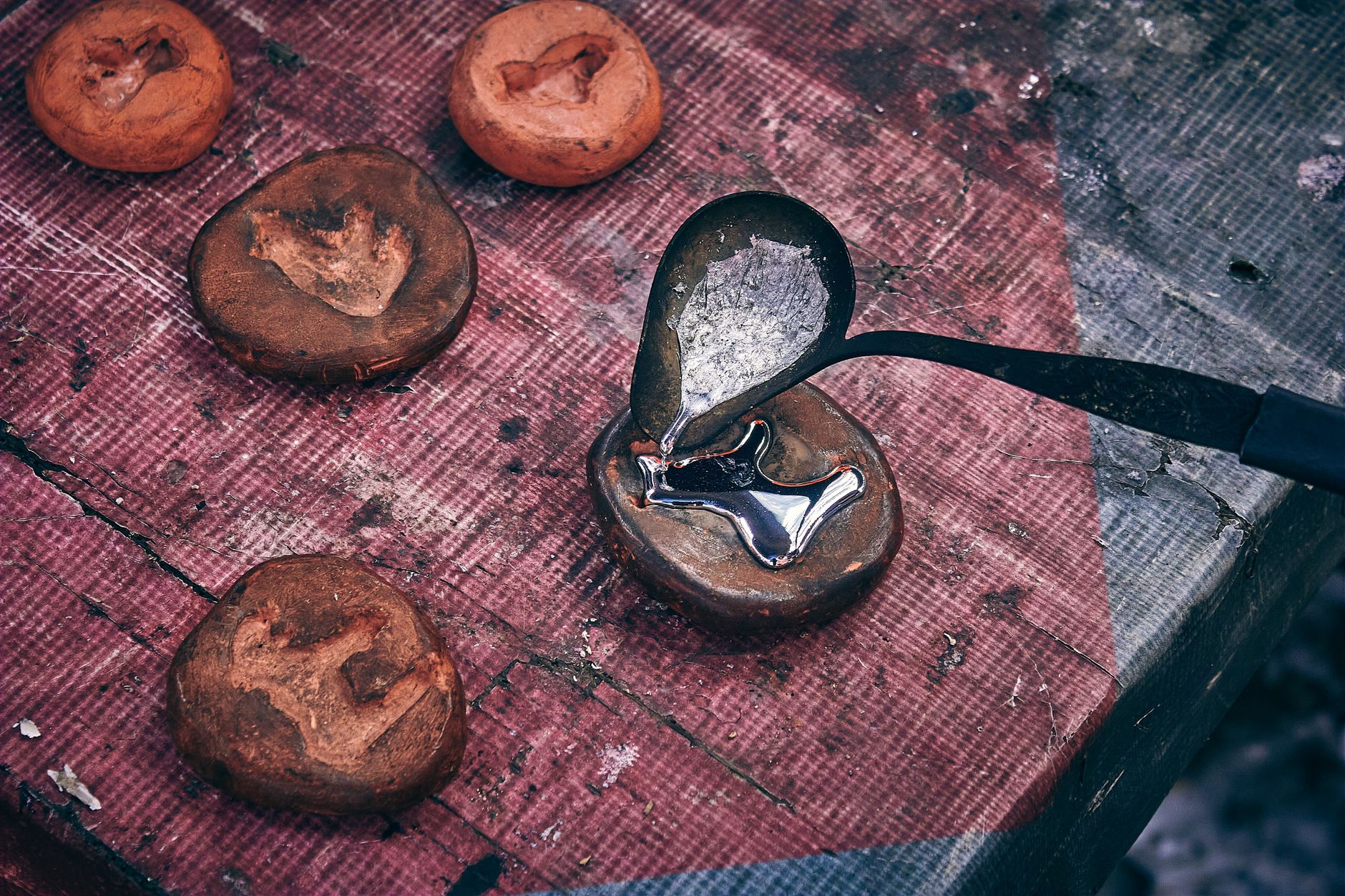
Shopkeeper: (takes the lamp gently) Every lamp that leaves this workshop carries this mark.
Vani: Is it your signature?
Shopkeeper: (shakes his head) No…! It is my family’s mark. My grandfather uses it. His father uses it. And now… I do.
Vani: So people know the lamp is made by your family?
Shopkeeper: Exactly! If someone likes our work, they remember this mark. If we ever make a poor-quality lamp… (pauses for a moment) …they remember the mark even more.
Vani: (laughs softly) That’s quite a responsibility.
Shopkeeper: It is! A good reputation takes generations to build. A careless day can damage it.
(A customer calls from inside the shop.)
Customer: Dada! Could you please come for a moment?
Shopkeeper: (smiles apologetically) Duty calls. (places the lamp back on the shelf.) Perhaps your friend can tell you why marks like these once mattered even more than they do today. (The shopkeeper walks back inside.)
(Vani continues looking at the tiny symbol.)
Vani: I never thought such a small mark could carry so much meaning.
Megh: That’s because you’re seeing only the mark.
Vani: There’s more?
Megh: Much more. That little symbol wasn’t merely about one family. It was about an entire community standing behind them.
Vani: Community?
Megh: Imagine you’re a merchant travelling across India almost two thousand years ago. You’re carrying silk from one kingdom… or bronze vessels from another. You’ve never visited this town before. Nobody knows your name. How would you convince people that your goods are genuine?
Vani: (thinking for a moment) I suppose… I’d have to earn their trust.
Megh: True! But trust takes time. What if you only stay here for a few days?
Vani: (shakes head) Then I don’t know.
(Megh smiles.)
Megh: Ancient India had an answer.
Vani: What was it?
Megh: People didn’t always trust the individual first. They trusted the institution standing behind the individual.
Vani: Institution?
Megh: They were called Śreṇīs. Today we call them guilds.
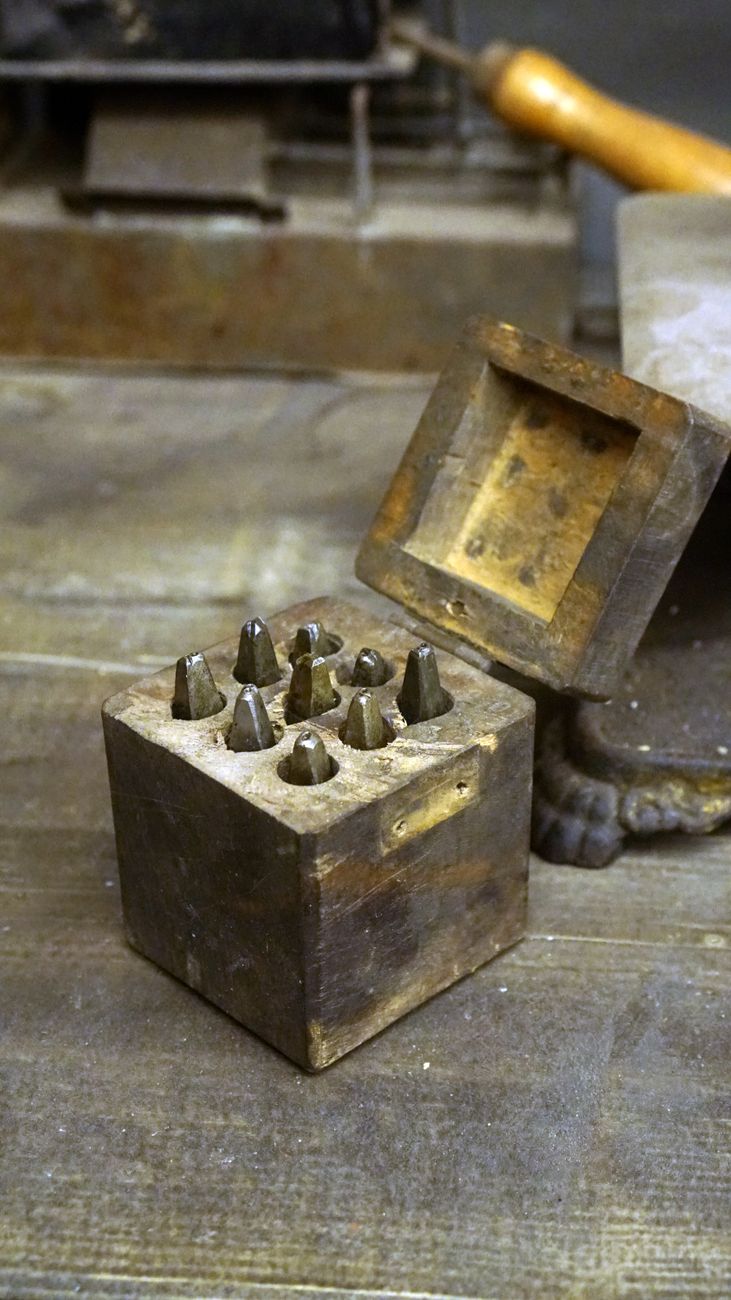
Vani: Guilds… I’ve heard that word in stories about medieval Europe. Were there guilds in India too?
Megh: (nods) Long before many people imagine. In fact, if you had walked through the bustling markets of ancient Pataliputra, Ujjain, Madurai, or Taxila, you would have found guilds of potters, weavers, goldsmiths, ivory carvers, carpenters, merchants, and many others. They didn’t simply make things. They protected something far more valuable.
Vani: (curious) What was that?
Megh: Trust.
Vani: Trust?
Megh: (nods) Yes. Not just trust in a person… Trust in generations of people.
(Vani gently places the brass lamp back on the shelf.)
Vani: But how can people trust someone they’ve never even met?
Megh: Let me ask you something. If you buy this lamp today and it lasts for years… Would you come back to this shop?
Vani: Of course.
Megh: And if it breaks tomorrow?
Vani: (laughs) I’d probably complain to the shopkeeper first.
Megh: Exactly! Even today, we rarely trust an object. We trust the people behind it.
(Vani looks around. A young boy is helping his father arrange brass utensils. A few shops away, an old woman is bargaining over a copper pot. The market grows busier with every passing minute.)
Vani: So every craftsman here is protecting a reputation.
Megh: More than his own. His family’s. Sometimes…!! An entire community’s!!
(They begin walking again. A rhythmic tapping echoes from a lane ahead. A group of carpenters is carefully polishing wooden stools. Nearby, a weaver patiently folds colourful handwoven cloth. No one seems to rush. Everyone seems to know exactly what they are doing.)
Vani: It’s almost as if everyone here follows the same unwritten rules.
Megh: That’s because many of them do. Centuries ago, craftsmen belonging to the same profession often organised themselves into Śreṇīs – the ancient Indian guilds.
Vani: What exactly did these guilds do?
Megh: They were much more than groups of craftsmen. They trained apprentices. Settled disputes!! Maintained standards!! Helped members in difficult times!! Sometimes they even lent money too!!
Vani: (surprised) They did all that?
Megh: They had to. Imagine a dishonest goldsmith cheating a customer. People wouldn’t simply stop trusting him. Soon they might stop trusting every goldsmith from that guild.
Vani: So one careless craftsman could damage everyone’s reputation.
Megh: Precisely! That’s why quality wasn’t just a personal matter. It was a shared responsibility.
(Vani pauses beside a potter shaping clay on a spinning wheel. She watches silently as the pot slowly takes shape. The potter never looks away from his work. His hands seem to know exactly where to press.)
Vani: Who teaches him all this?
Megh: Probably someone in his family. Or perhaps his master. Knowledge like this isn’t learnt in a day. It travels slowly… From one pair of hands to another.
Vani: Like a story.
Megh: (smiles) Exactly like a story. For centuries, guilds protected not only livelihoods…! They protected knowledge. How to mix metals!! How to dye cloth!! How to carve wood!! How to judge quality!! Many of these skills were never written down. They survived because people patiently taught them.
(A little girl runs past them holding a freshly baked clay whistle. Its cheerful sound briefly fills the lane. Both of them smile.)
Vani: We often remember kings and battles when we think about history.
Megh: Because history likes dramatic stories. But civilizations are rarely built only by kings. They are also built by quiet hands. The potter who never compromises on his clay. The weaver who refuses to weaken the thread. The blacksmith whose tools never fail. The merchant whose word becomes his wealth.
Vani: (softly) And all of them together become… A guild!!
Megh: Sometimes without even realising it. They create something far greater than individual success. They create trust.
(They stop near the end of the market. The evening lamps are slowly being lit. One by one, tiny flames begin to glow across the shops. The brass lamp Vani had admired earlier now shines warmly in the fading light.)
Vani: (smiles) You know… When I first noticed that little mark beneath the lamp, I thought it belonged to a craftsman. Now it feels as though it belongs to an entire history.
Megh: (looking back towards the brass shop) Perhaps that’s why those marks were never just signatures. They were promises. Promises that every object carried with it. Promises made not by one person… But by generations who believed that good work was worth protecting.
(For a moment, neither of them speaks. The sounds of bargaining slowly fade into the evening. The market continues exactly as it has for centuries- quietly reminding anyone willing to look closely that civilisations are not built only by rulers or monuments. Sometimes… They are built by ordinary craftsmen, shared trust, and a tiny mark beneath a brass lamp.)

