(Recap: A concert plan unfolds with samosas, tales of Baul tradition, and shared appreciation for timeless folk culture at Vani’s place.)
Megh: Well, thanks for the treat. Now I have to go.
Mother: Ok! Megh. Take care.
Vani: Mom! I need to buy some stuffs; I am also going with Megh. Megh, just wait for 5 minutes, I am coming.
Megh: Ok!
(After 5 minutes)
Mother: Vani! Come back on time!
Vani: Ok! Megh, let’s go.
Megh: Bye! Aunty.
(Vani & Megh both left for shopping, after that Vani decides to have some momos)
Megh: Well, there you can have momos, he prepares it very well.
Vani: (With smiling) I know you love momo and also know a lot about it. I will prefer to learn a little from you while biting on those cute little Dim sums.
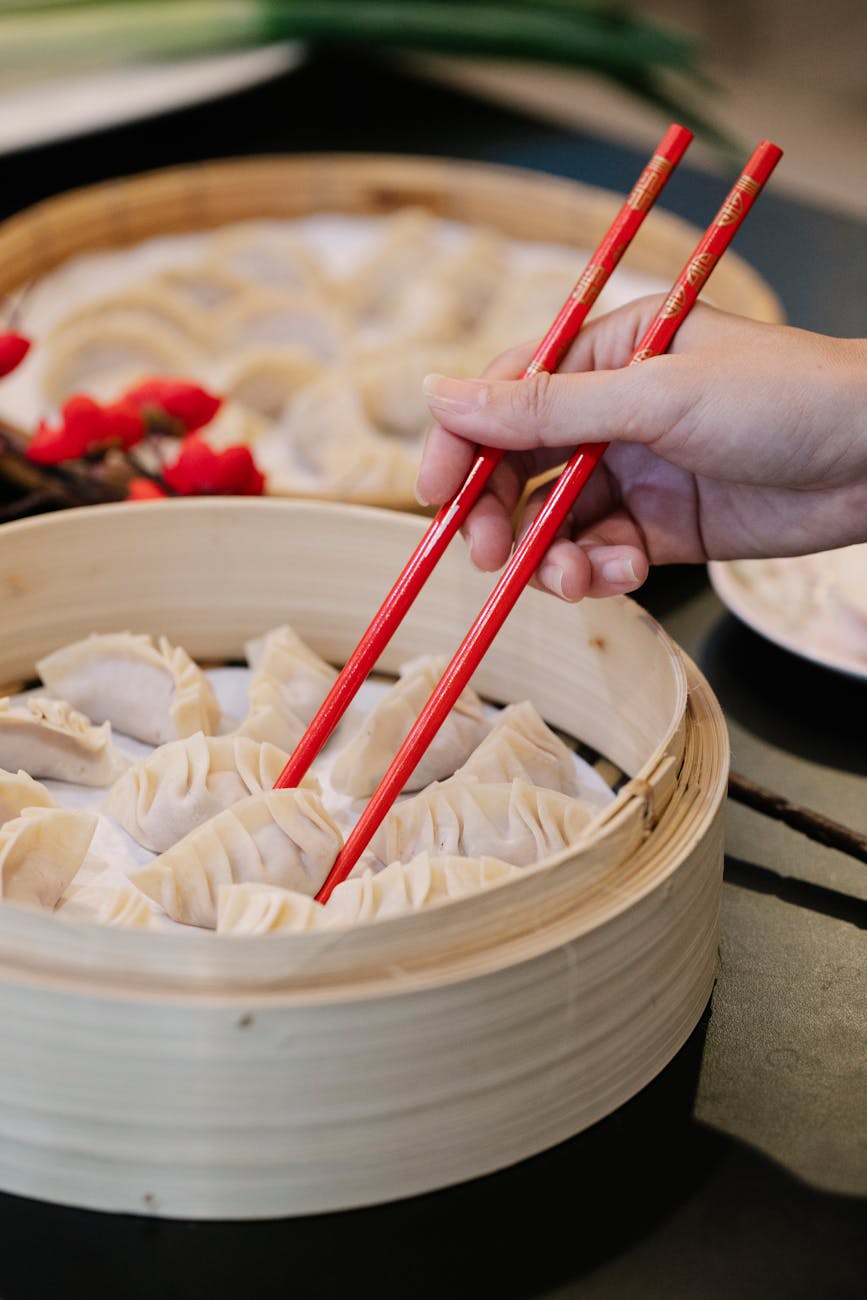
Megh: (Burst into laughter) well then what will be my remuneration for that? By the way Dim sum is different from Momo. Dim sum is of Chinese origin while Momo has the origin from Tibet.
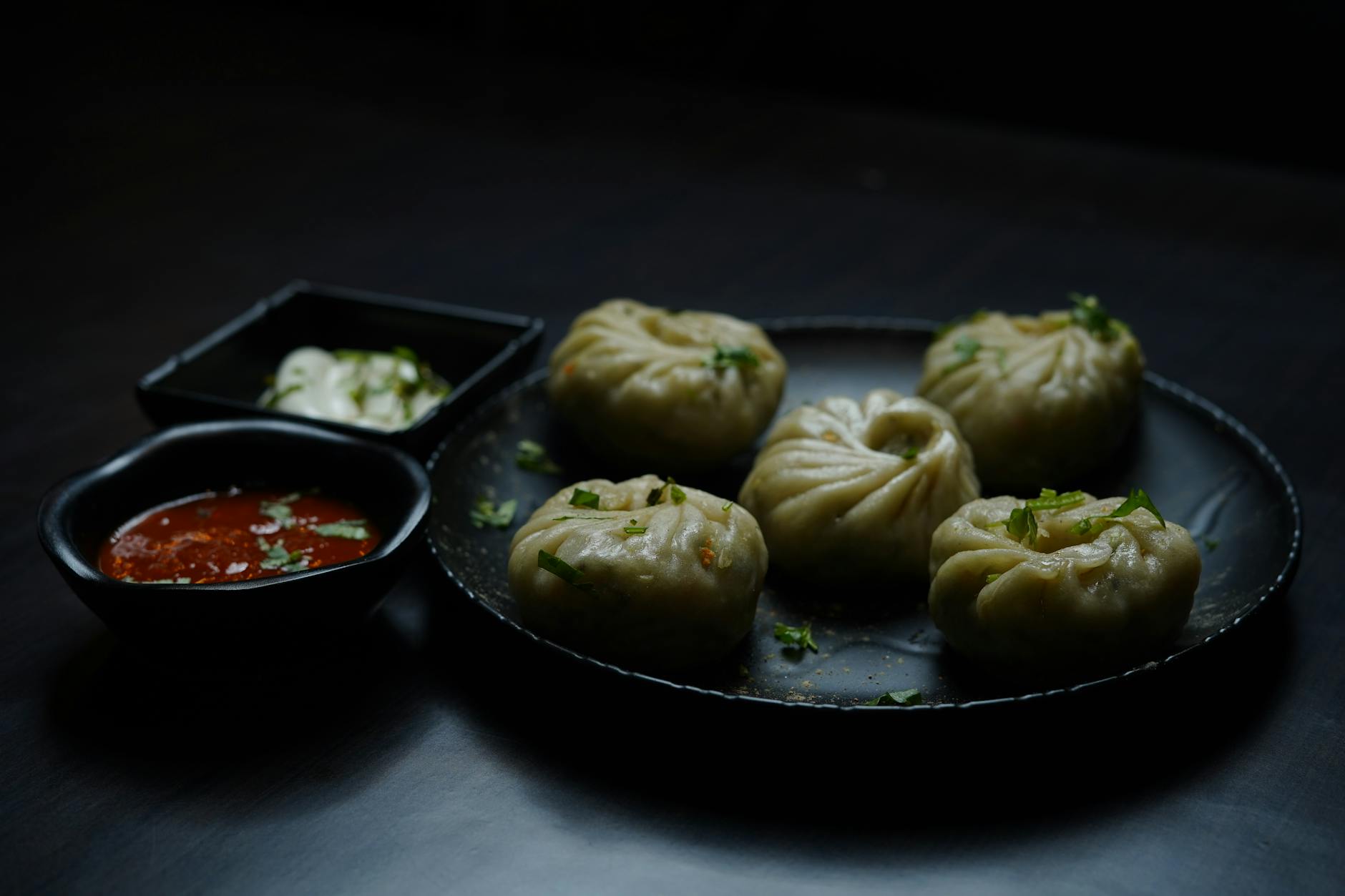
Vani: (While making a cute face) Hmm! About remuneration, well I can share a piece or a half of a momo depending on your story, I think (While making a deep thought gesture).
Megh: Well, first have some momos! (While placing the order) Uncle two plates of baked momos please! Vani! Sit there, I am coming.
Vani: (While eating)! Yummy! Now start your story please.
Megh: In the serene landscapes of Tibet, where the air is crisp and prayer flags flutter in the wind, a culinary tradition quietly thrived. Tibetan families, nestled in their mountain abodes, crafted delicate dumplings called momos. These dumplings, filled with yak meat or seasonal vegetables, held a special place in Tibetan culture, symbolizing warmth, community, and tradition.
Vani: Oh nice!
Megh: (While eating momos) As fate would have it, whispers of these delectable treats travelled beyond the Himalayas, finding their way to the foothills of India’s north-eastern states. In Darjeeling and Sikkim, Tibetan immigrants brought with them the secret of momos, adapting their recipes to include local Indian spices. Here, amidst the tea gardens and misty valleys, the momo found new ground.
Vani: (Keep smiling) Then?
Megh: But the story of the momo truly blossomed when it ventured into the lively streets of India’s bustling cities. Imagine Delhi’s vibrant university campuses, where students from far and wide gathered around momo stalls between lectures. The simple joy of sharing momos with friends became a cherished part of campus life.
Vani: And in Kolkata, I think, families embraced momos with gusto. Momo carts became meeting spots, where generations gathered to enjoy these dumplings with a variety of chutneys, adding a touch of Bengali flair to the Tibetan delight.
Megh: Right. In Mumbai, amidst the city’s relentless energy, momo vendors set up shop, offering office-goers a quick and delicious lunch option. The aroma of steaming dumplings filled the air, providing a moment of respite from the urban hustle.
Vani: I think affordability of momos in the bustling streets of Delhi, Mumbai, and Kolkata catapulted into its stardom.
Megh: (With smile) Yeah! Over time, momos adapted to the diverse tastes of India. Vegetarian variations emerged, featuring paneer, tofu, or mixed vegetables, catering to the country’s rich culinary tapestry. Innovative twists like tandoori momos and dessert momos delighted adventurous eaters across the nation. It became more than just a snack; it became a symbol of cultural exchange and culinary fusion, bridging the gap between Tibet and India.
Vani: (While sharing a piece of momo) Well you deserve it, a complete piece of momo (keep smiling).
Megh: So, kind of you, Madam. Looking ahead, the future of momos is filled with promise. As more Indians embrace this delightful dumpling, new variations and flavours are sure to emerge, enriching the story of the momo even further.
Vani: Yes of course, more promising than my future (burst into laughter).
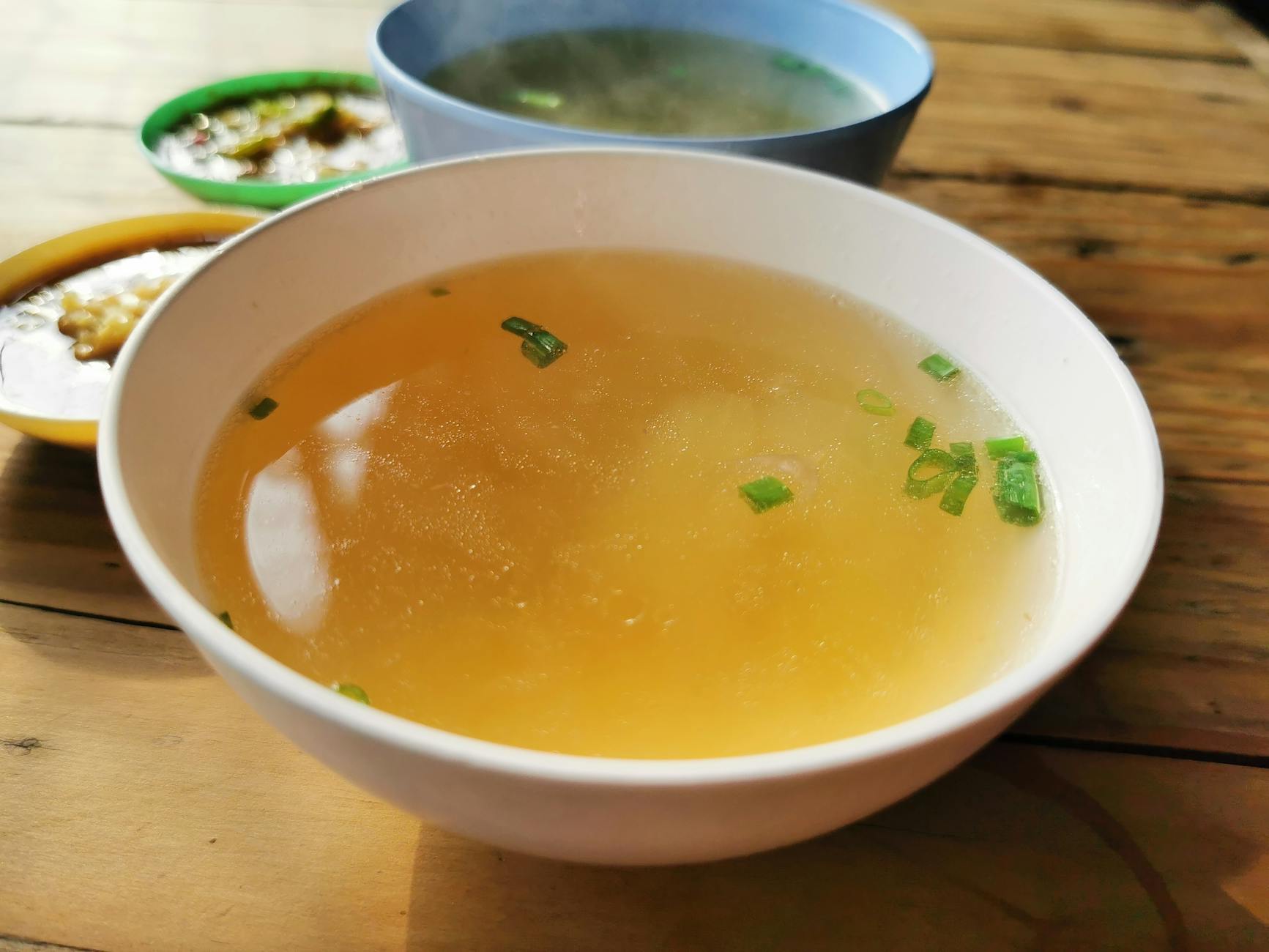
Megh: So true (While making her mockery)! Uncle! the soup! One by two! (While ordering the soup for them).
(After finishing the meal)
Vani: Thanks! (While paying the bill at the counter) Now I need to go home; mom is calling.
Megh: So, the next time you stroll through India’s vibrant markets or bustling neighbourhoods, pause at a momo stall. Take a bite, taste the fusion of flavours, and appreciate the journey of this humble dumpling – from the tranquil mountains of Tibet to the colourful streets of modern India. In every momo, there’s a tale of cultural heritage, adaptation, and the joy of sharing good food across borders.
Vani: (While making a jovial face) Sure! It was a great evening, Megh. Bye!
Megh: Good Bye! Take Care dear!
 Kathakar