(Recap: Vani went for a surprise birthday shopping her mother with Megh. During shopping they had a small tea time at a roadside tea stall, there they explored Tea Tales- Sip, Savour, and Share: The Magic of Tea.)
Vani: Wow Megh, I am very happy, finally the shopping is done.
Megh: Yeah! Hope aunty will like the gifts.
Vani: Let’s go for lunch then!
Megh: Ok! Where to go then?
Vani: Your home (while smiling).
Megh: What (In surprise)?
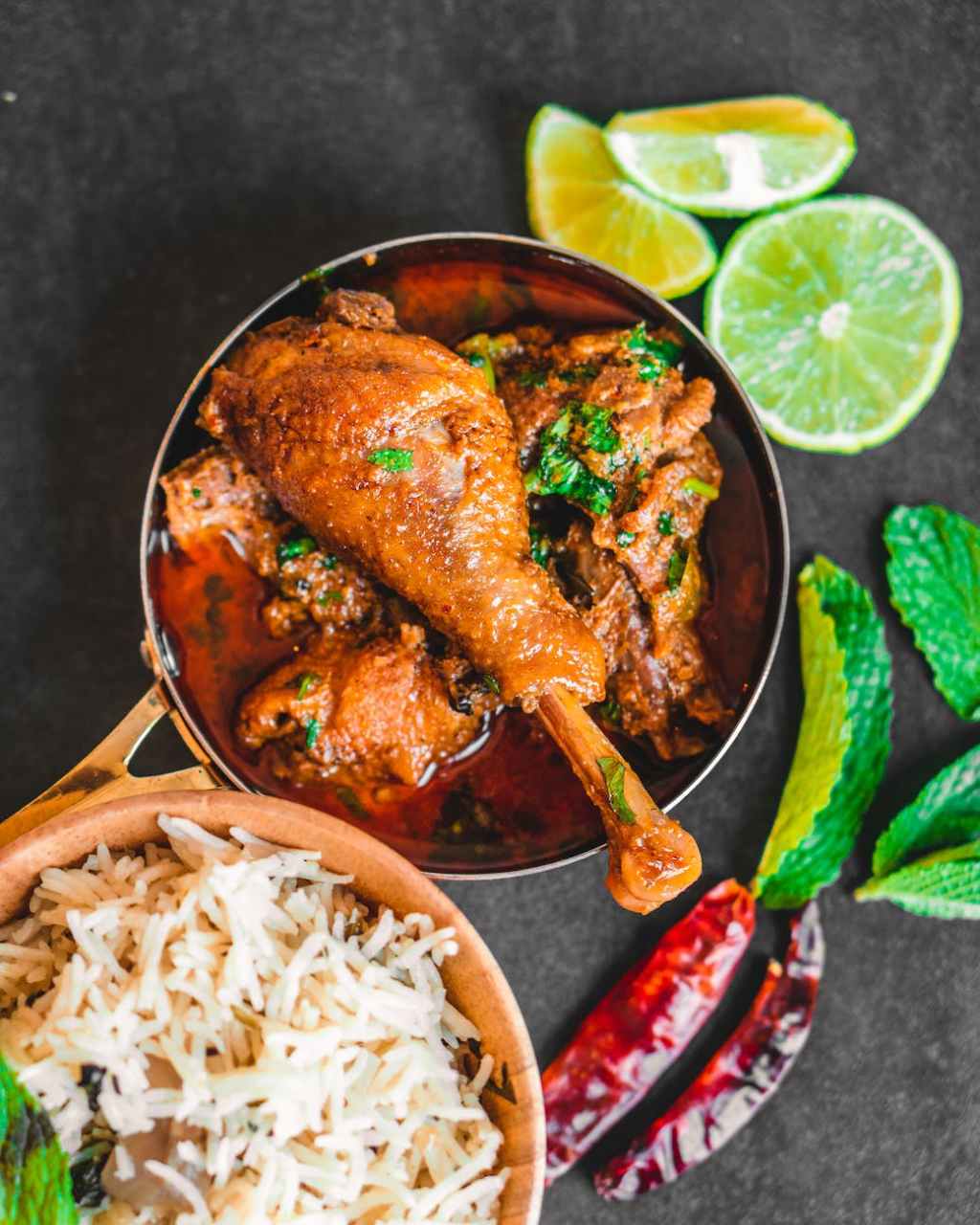
Vani: Your mom texted me; she has cooked Chicken Dak Bungalow so invited me for lunch (while making a cute face).
Megh: Wow! Even I don’t know that.
(While interrupting)
Vani: Taxi!! We will go. Two passengers.
Cab Driver: Where?
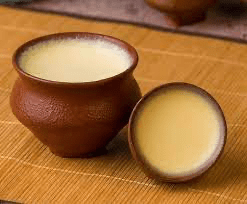
Vani: Well …(meanwhile her phone rings, Megh explained driver the location, both boarded on the cab). Megh, please ask the driver to stop at a sweets shop. Aunty loves misti doi. I will bring some for her.
Megh: Ok! (stops the cab and purchase misti doi from a nearby sweets shop). Now happy?
Vani: (while smiling) Yessss! Super happyyyyy!
(Reached to the location, both entered Megh’s house)
Megh: Come! Come! Mom Vani has come.
Mom: Oh Come! I cooked chicken dak bungalow specially for you. Now don’t waste time, wash your hand and come to dining table (with an excited face).
Vani: Yes aunty! But first keep this doi into the freeze.
Mom: Oh! you remember that I like this. So kind of you (with a blushing face). Learn something from her, Megh!
(Vani smiles and Megh makes face, mom starts serving food for them, in the menu they have rice, moong dal, fried brinjal, chicken dak bungalow & sweet chutney)
Megh: Mom! Please bring some lime (Myrrh lemon). You know I like it with rice & chicken.
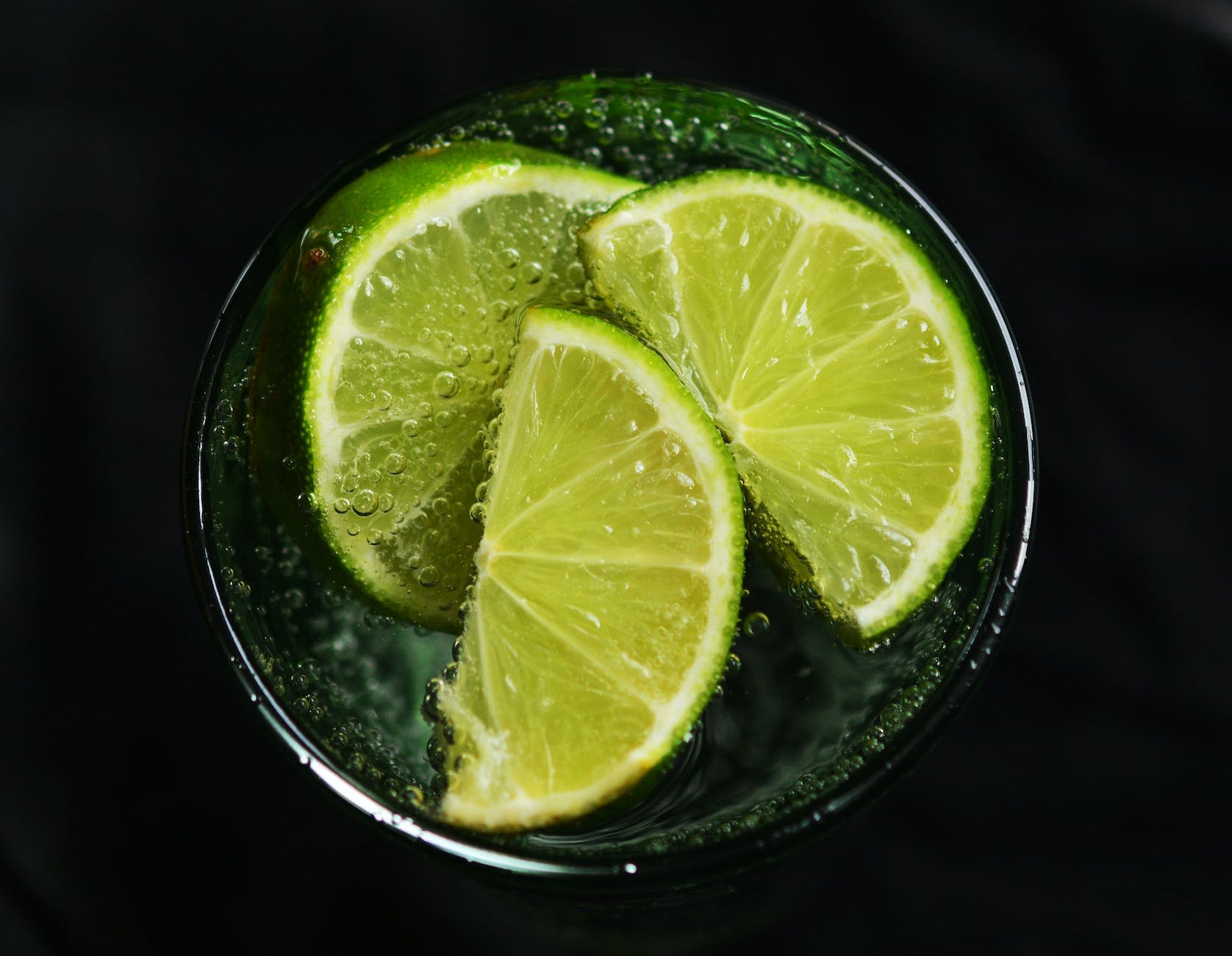
(Myrrh lemon is “Gondhoraj Lebu” which has an unique and aromatic lime variety that is particularly popular in Bengali cuisine. The name “Gondhoraj” translates to “King of Fragrance” in Bengali, and true to its name, Gondhoraj Lebu is known for its distinctive and intense fragrance.)
Vani: Aunty you also have lunch with us, we will serve by ourselves.
Mom: Ok (while smiling)
Megh: Mom! It is delicious.
Vani: Yes, aunty it is too good. Megh, do you know the history behind chicken dak bungalow? That’s also very interesting.
Mom: Yeah! I also know a little; Vani, beta please share the entire story, would love to listen from you.
Megh: Yeah yeah me too! (while eating joyfully)
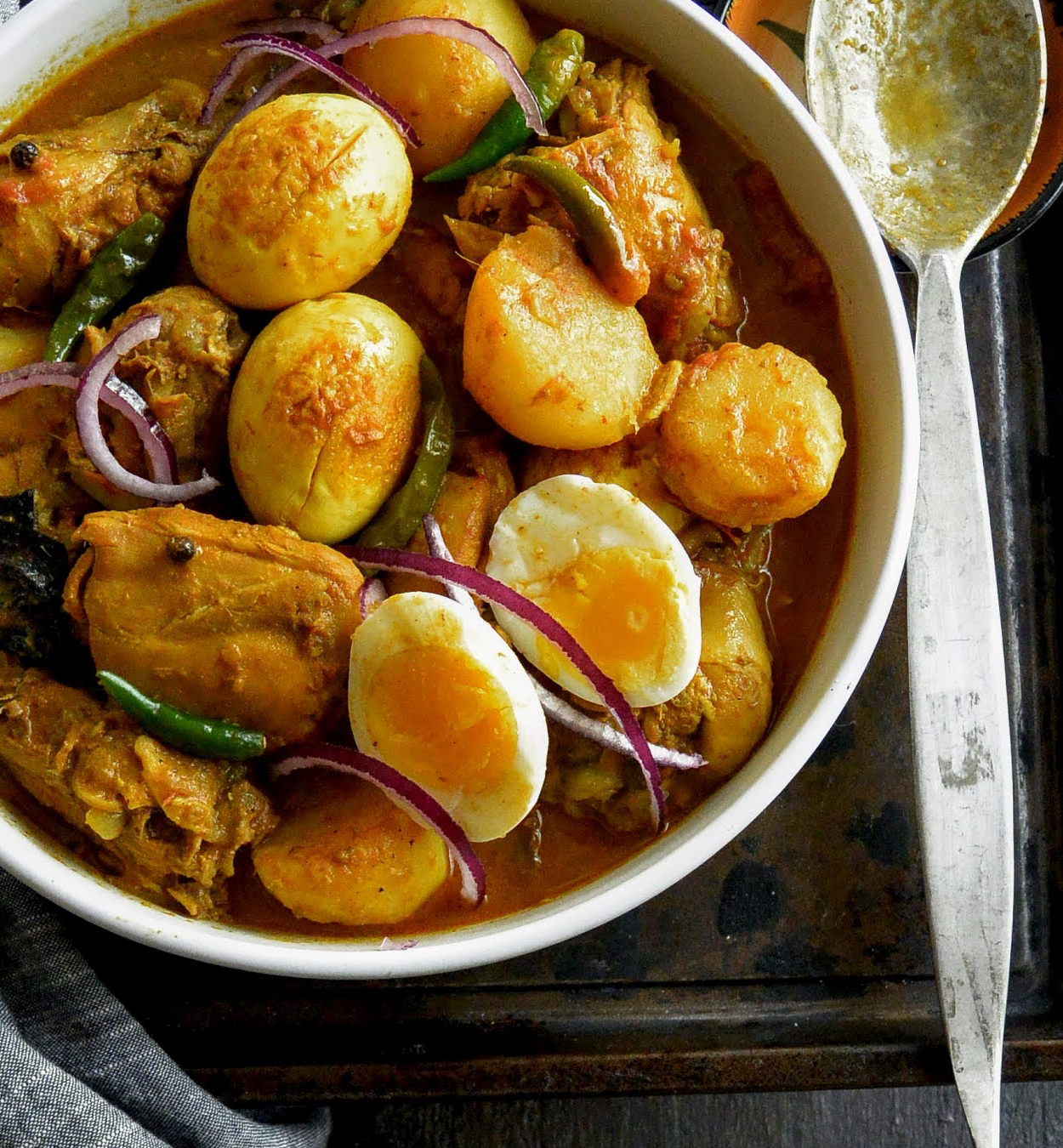
Vani: Chicken Dak Bungalow emerges as a dish that not only tantalizes the taste buds but also bears witness to the dynamic cultural exchanges of colonial India. Rooted in historical context, this delectable creation has found its place in contemporary gastronomy, marking a seamless blend of tradition and acceptance.
Mom: Oh! take some rice then only we will listen (while making a caring face).
Megh: Yeah! Yeah! Your plate is empty, I am serving her mom.
Vani: Chicken Dak Bungalow finds its roots in the colonial era when British officials traversed the vast expanse of India. Dak Bungalows, serving as rest houses, became hubs for cultural convergence (while eating).
Mom: The dish’s conception was a result of ingenious cooks working with limited ingredients. The fusion of British culinary preferences with locally available spices birthed a unique flavour profile. The chicken undergoes a transformative marinade, incorporating turmeric, red chili, cumin, and coriander. This medley of spices not only infuses rich flavour but also mirrors the cultural synthesis that defines Chicken Dak Bungalow.
Vani: The slow-cooking process allows the amalgamation of diverse flavours, creating a dish that resonates with the historical narrative of Dak Bungalows as places of respite and cultural exchange.
Megh: Ok but tell me one thing, does this dish have global presence at all? Though mom it is damn tasty (while licking his finger).
Vani: Chicken Dak Bungalow, once confined to the rustic kitchens of Dak Bungalows, has transcended its historical roots. Today, it graces the menus of Indian restaurants worldwide, embodying a cultural journey from the past to the present. Restaurants, both in India and abroad, pay homage to this historical dish. Figures indicate a steady rise in its popularity, with an increasing number of chefs incorporating it into their culinary repertoire.
Megh: Good, impressive.
Mom: The dish invokes nostalgia for a bygone era, symbolizing the continuity of cultural practices. Its acceptance in modern times signifies a collective acknowledgment of the intertwined histories of the East and West. My mother prepared this very well, I learn this from her only. It was earlier very common in my house. Every Sunday lunch, my mother cooked this.
Vani: Chicken Dak Bungalow stands as a living testament to the culinary heritage born in the colonial period. Its continued popularity reflects a collective effort to preserve and celebrate historical flavours.
Megh: The history of chicken dak bungalow is as good as the dish tastes, wooowww!
 Kathakar