Megh: Dials Vani’s number.
(Phone rings)
Vani: Hello! Megh. How are you?
Megh: Oh! Hi! Come to the gate fast. I am waiting for you outside.
Vani: Ok, but why?
Megh: Oho! How could you forget…
Vani: (Interrupting him) Now what have I forgot (while making face)? Come on! Megh! Hold on!
Megh: Oh! Wait! Open the door, I am coming inside. And I will explain in front of aunty, what you have forgot.
Vani: Ok! I won’t mind.
Megh: Are you sure?
Vani: Yes, 100 percent.
Megh: Oh! God! See this girl, such a confidence, this Friday only you messaged me that this weekend we will go the market to buy a birthday gift for you mom. And…
Vani: (Again interrupting him) Oh yes! Yes!
Megh: First listen, then comment.
Vani: So sorry Megh (while making a cute sorry face), you know me, Nah!
Megh: First you listen.
Vani: Yes! Yes! Now onwards only you speak, but give me 5 minutes to ready myself. And please don’t come inside my house as you know it will be a surprise gift for my sweet mom (while again making an innocent face).
Megh: As you wish my lord. But madam please take only 5 minutes…
Vani: Yes! Yes! (end the call while interrupting him).
(Megh starts playing with puppies at the park nearby to Vani’s place, after 10 minutes Vani comes and both leave together for shopping).
Megh: So, What’s the plan?
Vani: Well, I don’t have a plan. You called me, so you have to give me the plan (again making a cute smiling face).
Megh: Long live your majesty!
Vani: Come on! Megh. See my objective is to buy a nice gift, buy some decorative stuffs for home, and also some lights, oh! also order a cake, a beautiful yet simple cake (while making a jovial face)
Megh: (While making chin flick gesture) it will be objectives, at least I think so.
Vani: (Making an annoying face) Please proceed my lord!
Megh: Well then first have a tea then we will decide about that. Ok?
(Both move to a nearby tea stall, Megh orders 2 cups of tea)
Vani: Do you know the history of tea, Megh?
Megh: A little, but I know aunty is big fan of tea so she might tell you many interesting facts about tea. I won’t mind if you share some with having this tea.
Vani: Yeah! Even I also love tea. So, TEA, a secret brewing in ancient China’s mist-covered hills, is not just about steeping leaves in hot water, rather a journey woven with secrets, artistry, culture, and hospitality.
(Vendor serves the tea in earthen pot, there are 3 more people also present in the stall)
Megh: Vani, take this cup and sit here and then tell us the story. We all are interested to listen.
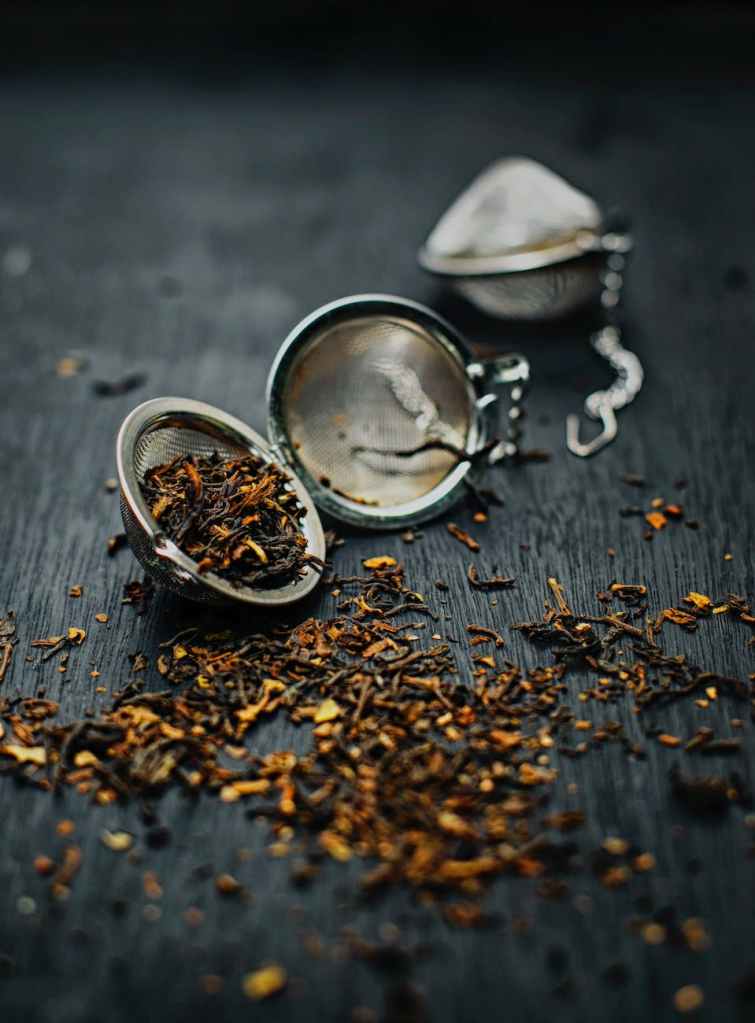
Vani: Tea’s story begins over 5,000 years ago. Legend has it that Emperor Shen Nong discovered tea when a few leaves blew into his boiling water. Intrigued by the aroma and taste, he began exploring the medicinal properties of tea leaves. This discovery became a closely guarded secret among Chinese monks and scholars who recognized tea’s ability to heighten alertness during long hours of meditation and study. The Silk Road, an ancient trade route connecting the East to the West, brought the secrets of tea to traders, explorers, and adventurers. In Japan, Zen Buddhist monks embraced tea as a meditative practice, known as the Japanese tea ceremony or Chanoyu. The British East India Company introduced tea to England, making it a fashionable beverage among the elite and a cherished part of British culture. The secrets of tea travelled across continents, transcending borders and weaving itself into the cultural fabric of nations. History tells tales of clandestine tea ceremonies, political negotiations, and quiet moments of solace found in brewing leaves.
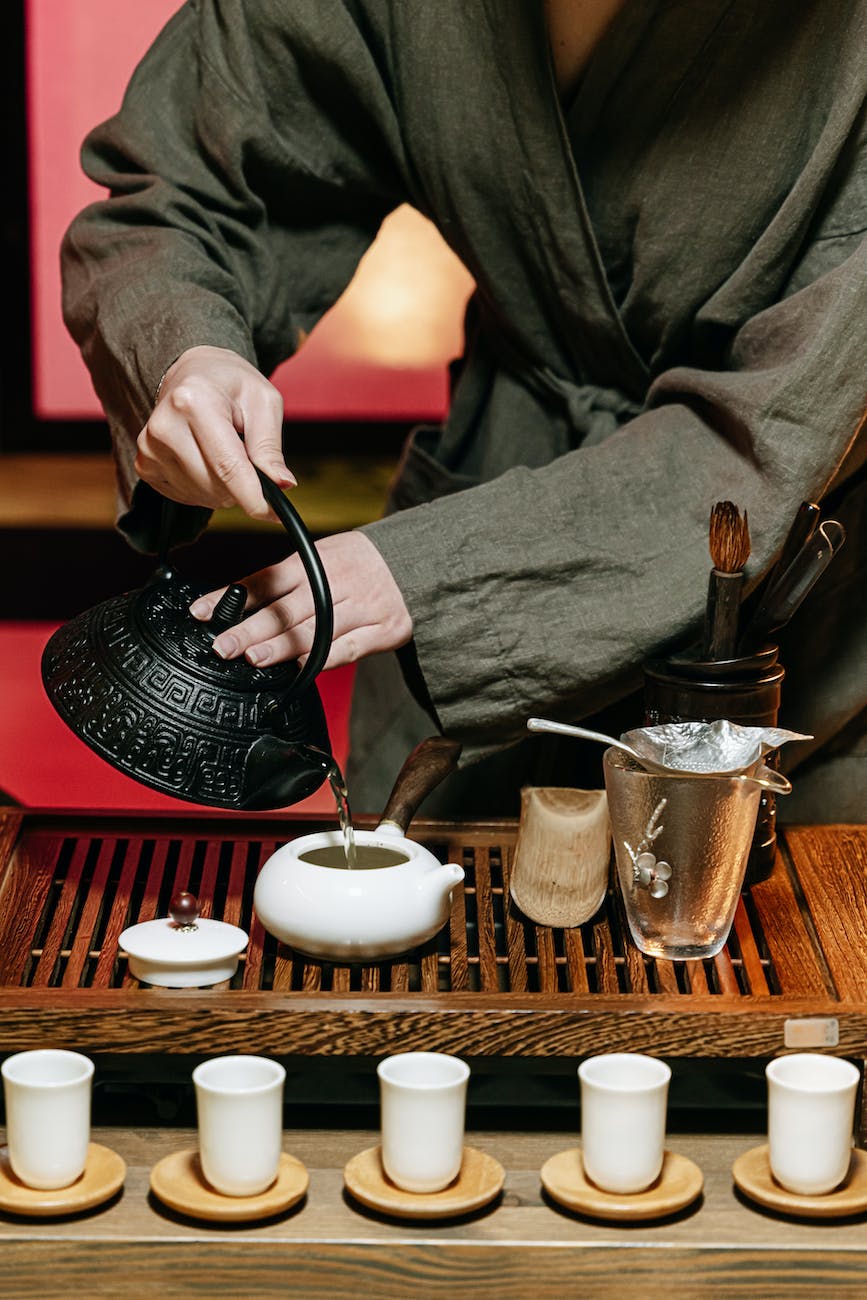
Megh: Tea is a complex art form that transcends cultures and spans centuries. It is not just about brewing leaves in hot water, but also about the presentation, vessels used, and the sacredness bestowed upon every cup. In China and Japan, the ceremonial preparation of tea is known as Gongfu Cha and Chanoyu, which involve precise movements and create an immersive experience. The vessels used in tea ceremonies are works of art, with porcelain teacups in Japan and Yixing clay teapots in China. Tea has inspired artists across centuries, from traditional Chinese brush paintings to Japanese woodblock prints. The British have also brought their own artistic flair to tea, with bone china teacups, floral patterns, and tiered serving trays. Modern tea artistry has evolved, with baristas crafting intricate latte art and tea mixologists experimenting with flavours and presentations. Even the act of choosing tea leaves is an art, with careful consideration of terroir, harvest season, and processing methods contributing to the final flavour profile.
Vani: Exactly. Tea is sipping traditions around the globe.
Person 1: Like take the case of Morocco, The Art of Mint Tea. In the bustling markets of Morocco, the air is filled with the enticing aroma of mint tea. The preparation of Moroccan mint tea is not just a routine; it’s a ceremony. The tea is poured from a height, creating a frothy layer, and each cup is a gesture of hospitality and warmth. The secret lies in the shared moments, as friends and family gather to savour the sweet and refreshing elixir.
Megh: Japanese Chanoyu, The Way of Tea. Japan’s Chanoyu, the “Way of Tea,” is a highly ritualized practice rooted in Zen Buddhism. The ceremony is an artful choreography of precise movements, from the cleansing of utensils to the graceful whisking of matcha. The secret is not just in the taste but in the mindfulness cultivated through every step of the ceremony, creating a harmonious connection between the host and the guests.
Person 2: Turkey, The Art of Chai. In Turkey, chai is not just a beverage; it’s a symbol of hospitality. The preparation involves a double teapot method, where strong tea is diluted with hot water to achieve the desired strength. The secret is in the tulip-shaped glasses and the communal spirit. Offering and accepting tea in Turkey is a gesture of friendship and connection.
Megh: England, Afternoon Tea Elegance. In the refined parlours of England, the tradition of afternoon tea emerged as a sophisticated ritual. Delicate teacups, finger sandwiches, and pastries are served with precision. The secret lies in the elegance of the affair, as people take respite from their busy lives to indulge in the luxury of tea, transforming a daily habit into a social event.
Vani: Indian Chai, An Everyday Elixir. In the bustling streets of India, tea is not just a drink; it’s an integral part of daily life. Chaiwallahs skilfully brew a concoction of tea leaves, spices, and milk, creating a blend that varies from region to region. The secret is in the communal aspect — chai is not just consumed; it’s shared. From street corners to office spaces, chai brings people together, fostering conversations and connections.
Tea seller: So, madam may I know which tea is your favourite?
Megh: Dada! I am telling that; it is none other than the Darjeeling Tea (with a big smile in face)
Person 3: Yeah, east or west Darjeeling is the best. So dear, I would love to listen some about Darjeeling tea from you. Of course, if you don’t mind to do so.
Vani: (taking the last sip from the earthen pot and throw that in dustbin) Sure Sir, why not, but Megh my personal favourite in Assam CTC. Anyway, Darjeeling is my second most favourite. Darjeeling Tea is a Himalayan Symphony in a Teacup. Darjeeling tea gardens, located in the Eastern Himalayas, are known as the “Champagne of Teas” due to their unique terroir and elevation secrets. The high altitude, cool climate, and abundant rainfall contribute to the distinctive muscatel flavour of Darjeeling tea. The first flush, harvested in spring, captures the essence of the dormant winter months. Tea estates like Margaret’s Hope and Castleton are guardians of a tradition dating back to the British colonial era, maintaining meticulously maintained gardens and preserving the secrets of Darjeeling tea. Saffron-infused Darjeeling tea, with its golden hue, evokes the colours of a Himalayan sunset. The secret lies in the soil, weather, and air of the region, which impart a unique character to the tea leaves. Darjeeling tea holds a Geographical Indication (GI) status, ensuring its authenticity and ensuring only tea produced in the region can bear the prestigious label. In every sip, you taste a piece of history, a symphony of flavours orchestrated by the Himalayan terroir.
Tea seller: Wow nice, madam. This tea was a small gift from myside to you for this storytelling. You don’t need to pay for this.
Megh: And what about my bill dada? (Smiles & pays the bill for both).
 Kathakar