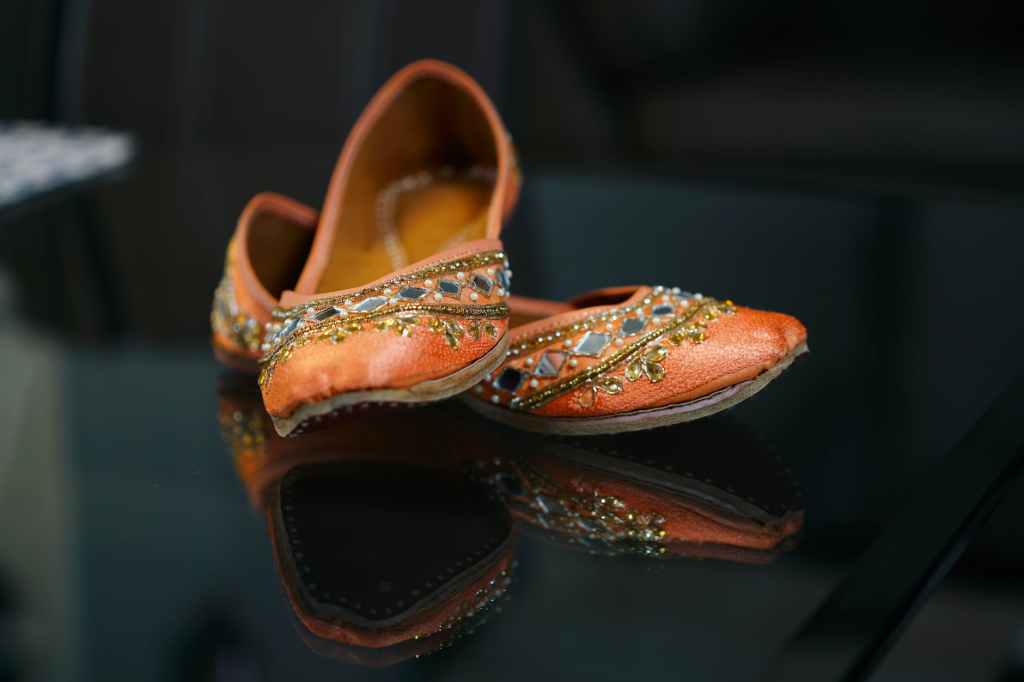
(Recap: Megh has visited Vani’s new home where they discussed about the cultural history of Kathputli, Rajasthani String Puppet & Sohan Halwa, a delicacy).
Megh: It was such a beautiful evening, Vani. Thanks for the information. Aunty I promise you; I will start reading about the diverse culture of India.
Vani: Sure, we together will study about this, Megh. (Meanwhile Megh’s Phone vibrates. He picks the phone and his mother is asking to come back to home).
Megh: Well aunty, now I need to go home. Next time aunty, all of you please come to our home.
Mother: Sure! (while making a satisfying face)
Vani: Come Megh! I will see you off to main gate.
Megh: Ok bye aunty.
Mother: Good Bye! (with a smile in face).
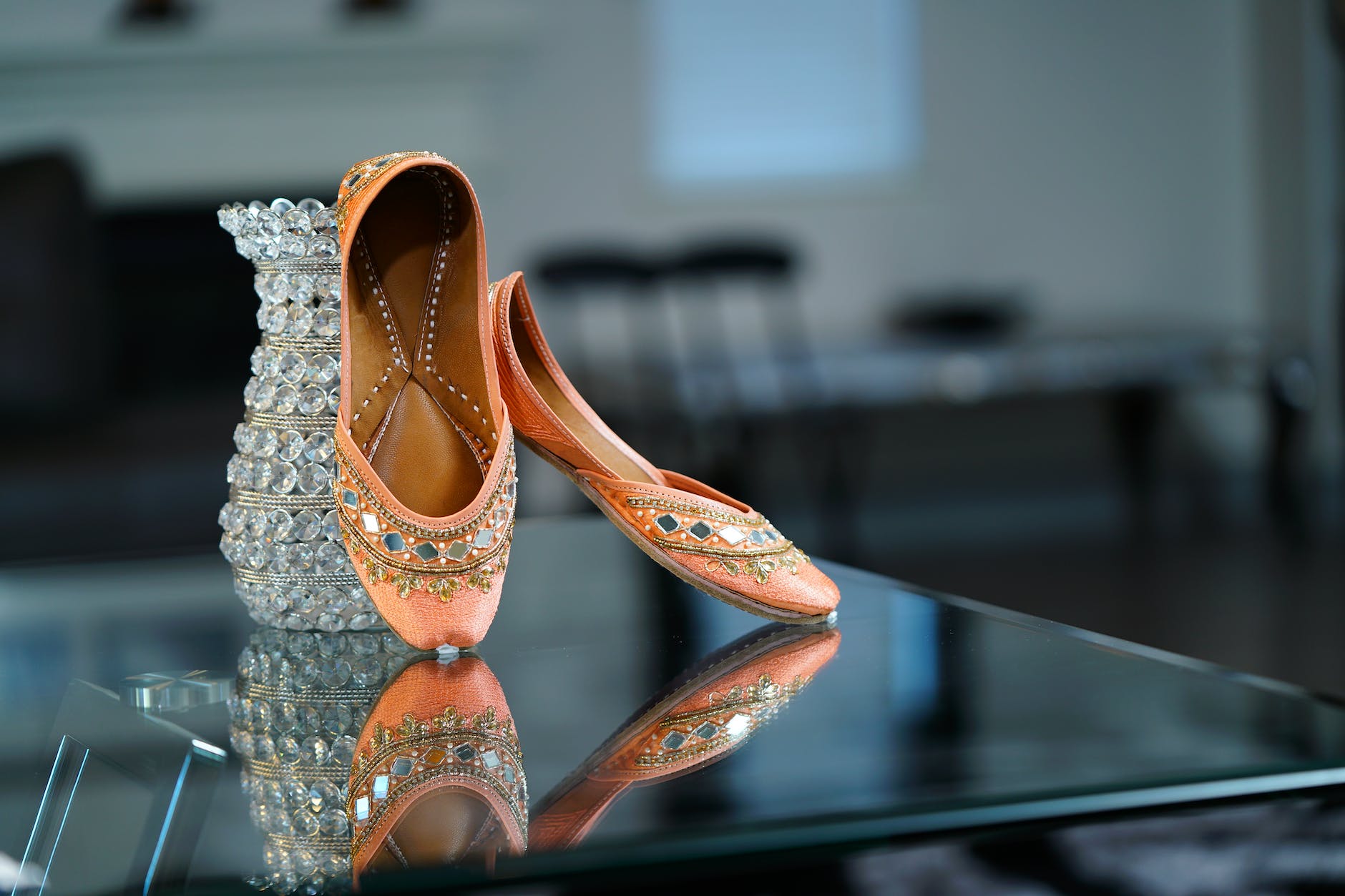
Megh: (At main door) That slipper is very nice, and different from what I have so far seen (While pointing at the shoe-rack).
Vani: Yeah! That is my new slipper (while smiling). My father brought this also from Rajasthan. You have a good eye, I must say. Actually, it is made up of Camels’ leather.
Megh: Oh wow! (while making an astonishing face). I have first time seen this kind of thing.
Vani: In the colourful tapestry of India’s cultural history, camel leather shoes have held a significant place, both as a traditional footwear choice and a testament to the country’s rich craftsmanship. Dating back centuries, the use of camel leather for shoe-making has been an integral part of Indian heritage, especially in regions where camels have been an essential part of daily life.
Megh: Interesting! What is the major geographical span of it in India?
Vani: The art of crafting camel leather shoes is deeply rooted in the desert regions of Rajasthan, Gujarat, and parts of North India, where the camel has been a lifeline for generations, providing transportation and sustenance in arid landscapes. Skilled artisans in these regions have honed their expertise in tanning camel hide and transforming it into durable and comfortable footwear.
Megh: Any example! (while making a curious face).
Vani: One notable example of the cultural significance of camel leather shoes can be found in the traditional jutti, a popular style of Indian footwear known for its intricate embroidery and exquisite designs. Crafted using soft camel leather, the jutti has adorned the feet of both commoners and royalty, adding a touch of elegance to traditional attire for special occasions and festivities.
Megh: What about the longevity of these juttis!
Vani: Beyond their aesthetic appeal, camel leather shoes have also been valued for their durability and resilience, making them an ideal choice for traversing rugged terrains and enduring harsh weather conditions. The natural properties of camel leather, such as its flexibility and strength, have contributed to its popularity as a material for crafting sturdy and long-lasting footwear.
Megh: Great! It will suit you, fashion fiesta (mimicking her).
Vani: While modernization and changing fashion trends have introduced new materials and styles, the legacy of camel leather shoes continues to thrive in various parts of India, with contemporary designers and artisans infusing traditional craftsmanship with innovative designs and global appeal. The timeless charm and cultural significance of camel leather shoes serve as a reminder of India’s deep connection to its diverse landscapes and the skilled artistry of its people. Anyway, your mother is waiting for you. So, good bye for today, Megh. Please visit again (making a smiling face).
Megh: Good- bye! Vani (while leaving her place).
 Kathakar