Megh: Presses the door-bell.
(Ding-dong!)
Vani: Opens the door.
Megh: Hey! How are you?
Vani: Hello! I am fine. Welcome to our new house. Please come inside, Megh.
Megh: Yes of course. I was eager to visit your new home.
(Coming inside the house)
Vani: Please seat here Megh! Nice to see you here. All good in your home?
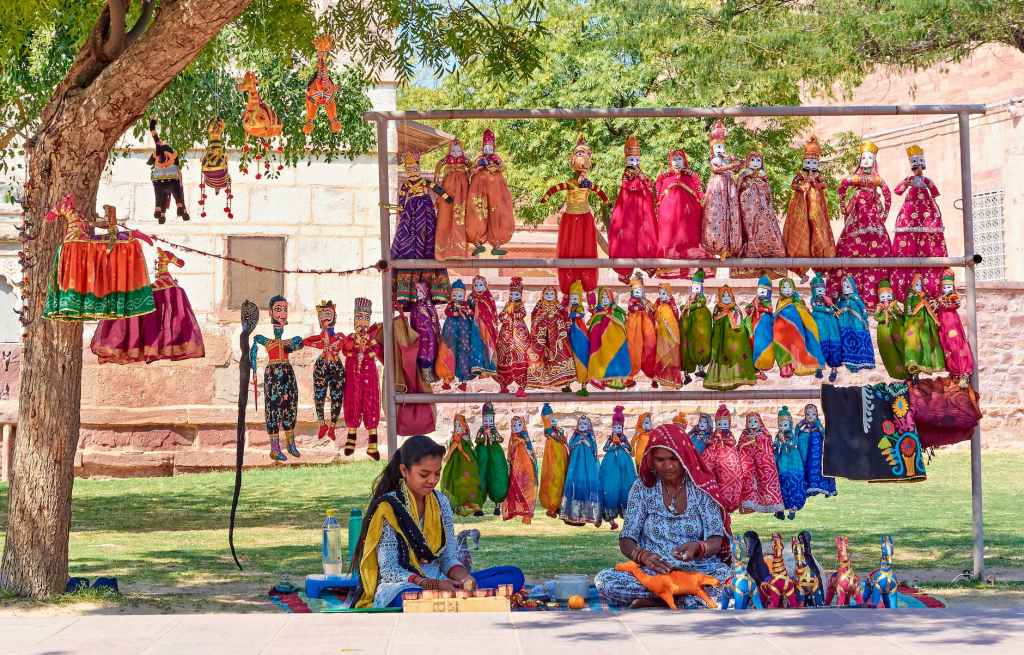
Megh: (Looking at the interior) Yeah! yeah! all good. (Pointing at a showpiece) Is this one Kathputli (Rajasthani Puppet Toy)?
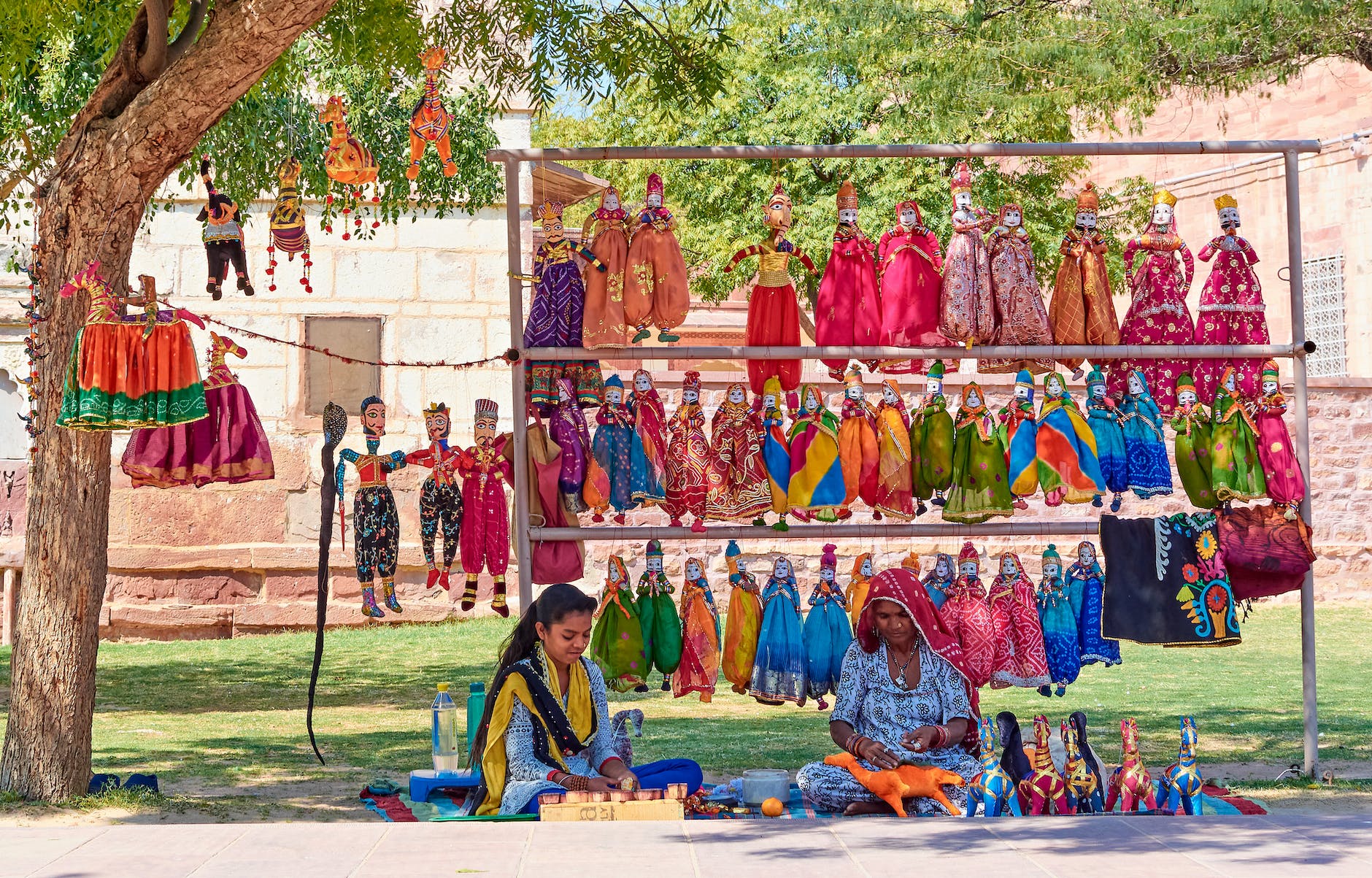
Vani: Oh yes! It is. My father brought the set yesterday only from Rajasthan. It is nice nah!
Megh: Hmm! Awesome.
Vani: My father was telling me the history of it also.
Megh: Oh, then please tell me nah! I am eager to know.
(Vani’s mother asking from kitchen, Mishti, who has come?)
Vani: Maa! Megh has come, please bring some snacks for him and for me too (making a cute face), oh! Some Sohan Halwa also! Megh, you might like Sohan Halwa also. Wait a minute I will share the rich cultural heritage of Rajasthani Puppets while eating some Sohan Halwa.
Megh: Oh! You! Vani! (with laughter).
Vani: Come on! I am not like you. Cuisine is also an important part of our diverse Indian Tradition.
(Meanwhile mother came and put the plates of sweets and snacks in front of them and sat beside Vani)
Mother: Mishti! Let Megh first take these, then you. Understood!
Vani: Oh, my dear mom, he can’t finish these all alone. I know I have to help him (while taking a sohan halwa in her hand). So, Megh now listen carefully about the history of Kathputli, and Maa please check me if I miss something.
Megh: Wait a minute. Hello aunty! How are you? Suvo Bijoya ! (while touching her feet with hands)
Vani: Oh! I see. You did not wish me but wishing my mom only (while making an upset face). Maa! See this, not good. I am going to my room.
(Megh intervenes)
Megh: Oh! Stop now.
Vani: Maa! See Megh forgot to say please (while making face).
Mother: You also did not wish Megh, I think. Anyway, Megh enjoy the snacks, don’t take her seriously. I am going to kitchen to prepare the ginger tea for both of you.
Megh: Ok ok Mishti! please seat, suvo bijoya, happy dusshera! and all were my mistakes. Now please tell me about Kathputli and also about Sohan Halwa, I like that too.
Vani: Suvo Bijoya! Now listen carefully, and my dear Maa, thank you in advance for the ginger tea. You know how much I love tea (while making a cute face). Once upon a time, in the vibrant land of Rajasthan, there lived a community of skilled artisans known as the Bhat community. They were not just ordinary artists but master craftsmen who possessed the magical ability to bring wooden puppets to life through their skilled hands.
Megh: Oh!
Vani: These puppets, affectionately called Kathputli, were not just inanimate objects but the storytellers of the past, carrying with them the rich cultural history and folklore of the land. Through their vibrant colors and intricate designs, they narrated tales of valour, love, and mythology, captivating audiences young and old.
Megh: Sounds interesting.
Vani: In the heart of Rajasthan’s desert landscape, these puppet shows came to life, with the skilled puppeteers manipulating the strings with finesse, making the puppets dance, fight, and love. They told stories of ancient Rajput warriors, brave kings, and beautiful princesses, enchanting the audience with their vivid storytelling and captivating performances.
(Meanwhile mother comes with the tea)
Vani: (While taking a sip) One famous example of this enchanting art form is the story of “Amarsingh Rathore,” a popular Rajasthani folk hero. Through the captivating movements of the Kathputli, the heroic tales of Amarsingh Rathore’s bravery and chivalry were brought to life, leaving the audience spellbound and inspired.
Mother: In short, Kathputli shows were not just a form of entertainment but a significant cultural tradition, passed down through generations, keeping the spirit of Rajasthan’s rich heritage alive. Even today, these puppet shows continue to enthrall audiences, preserving the cultural history of Rajasthan and reminding everyone of the magic that lies within the ancient art of Kathputli.
Megh: Amazing! We should read more about Indian culture! Such a vivid culture we have.
 Kathakar